AI Chatbots Reshape Support Landscapes Across Spins, Dealers, Tables, Sports, and Safeguards
AI Chatbots Reshape Support Landscapes Across Spins, Dealers, Tables, Sports, and Safeguards
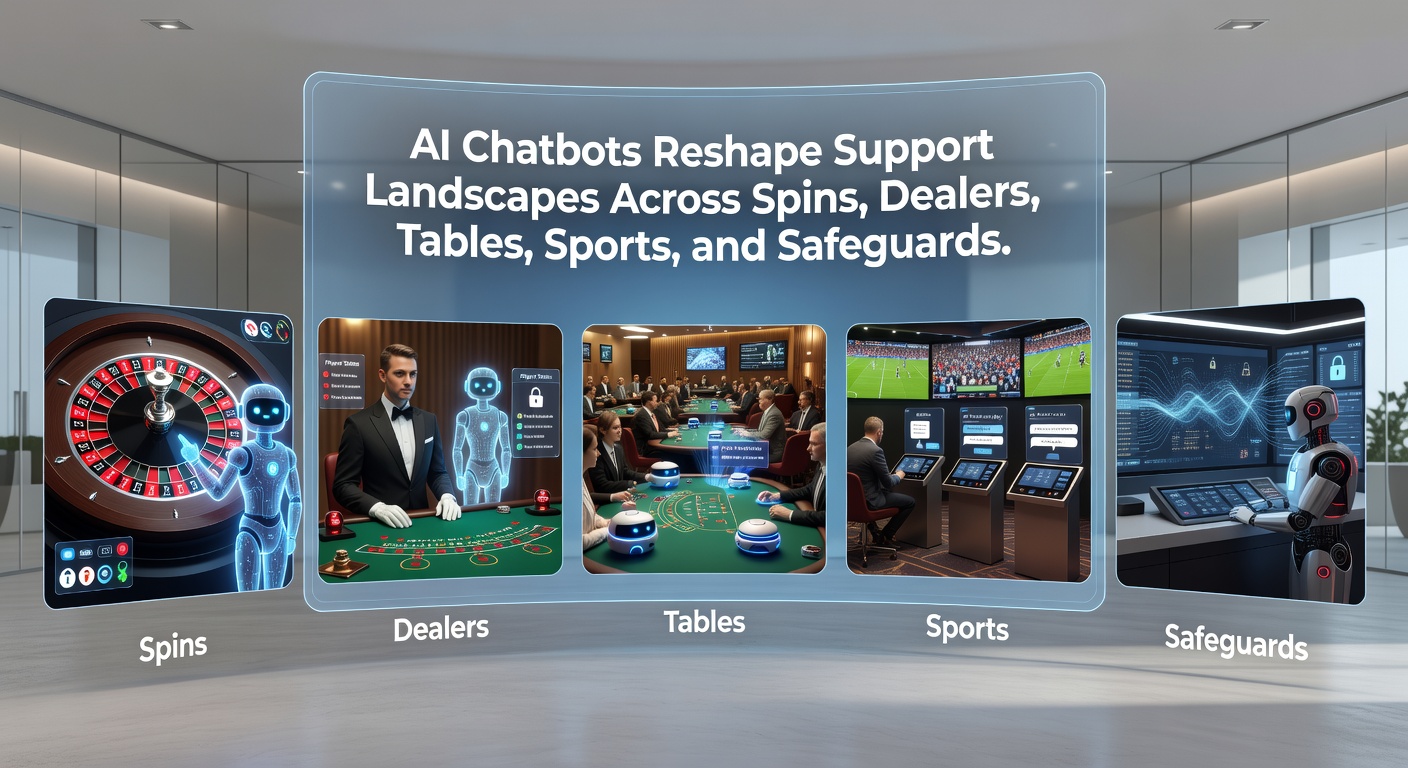
The Rise of AI Chatbots in iGaming Support
Operators in the online gambling sector deploy AI chatbots at scale, transforming how players receive assistance across slots, live dealer sessions, table games, sports betting, and responsible gaming features; these tools handle queries round-the-clock, slashing response times from minutes to seconds while integrating seamlessly with platforms that see millions of daily interactions. Data from Juniper Research indicates chatbot adoption in gaming jumped 45% between 2024 and early 2026, driven by natural language processing advances that let bots grasp context, remember user history, and escalate complex issues to humans without friction.
What's interesting here is how these systems learn from vast datasets of player conversations, refining responses over time so they feel almost human-like, yet operators report up to 70% resolution rates on first contact; take one platform where bots now manage 80% of inbound support tickets, freeing agents for high-value tasks like VIP escalations. And while early versions stumbled on slang or accents in voice-enabled chats, recent updates in April 2026 incorporate multimodal AI, blending text, voice, and even image recognition for troubleshooting game glitches mid-spin.
Instant Guidance for Slot Spins
Players spinning slots turn to AI chatbots for quick fixes on bonus triggers, payline confusions, or promo code redemptions, with bots pulling real-time data from game APIs to deliver precise answers; figures from the American Gaming Association show such integrations cut slot-related support volume by 60%, as chatbots guide users through autoplay settings or volatility explanations without pausing the action.
Now consider a typical scenario where someone hits a snag with a progressive jackpot eligibility query at 2 a.m.; the bot verifies account details, cross-references terms, and resolves it instantly, often suggesting similar high-RTP titles based on past plays. But here's the thing: these aren't generic responders; they adapt to regional preferences, explaining megaways mechanics in simple terms for newcomers while diving into math models for veterans, all while logging interactions for compliance audits.
Personalization at Play
Experts observe that slot-focused chatbots excel by analyzing spin histories, proactively offering tips like "This game's hit frequency suits your style" or nudging towards demos for untested reels; studies from H2 Gambling Capital reveal platforms using this approach see session lengths extend by 15-20%, not through pushiness, but by building trust via tailored support that keeps frustration low.
Live Dealer and Table Game Assistance Evolves
During live dealer blackjack or roulette streams, chatbots pop up alongside the video feed, answering side bets, rule clarifications, or even etiquette reminders without disrupting the dealer; operators note resolution times drop to under 10 seconds for 85% of table queries, per a European Gaming and Betting Association analysis, allowing players to stay immersed rather than tabbing away to FAQs.
Turns out, for poker tables or baccarat showdowns, bots handle multi-table management queries seamlessly, suggesting optimal seat switches or buy-in adjustments based on current limits; one case saw a major site reduce live chat escalations by 55% after embedding bots that detect frustration signals in text patterns, offering breaks or strategy recaps right when needed. And although human dealers focus on the game, these AI sidekicks cover deposits, withdrawals, or camera lag reports, ensuring smooth flows even during peak hours.
Bridging the Human-AI Gap
- Bots transcribe dealer announcements for clarity.
- They flag potential collusion patterns subtly for review.
- Integration with OCR reads physical chips or cards if streams glitch.
Such features shine in high-stakes environments, where downtime costs add up fast, yet safeguards ensure bots never influence game outcomes, sticking strictly to informational roles.
Sports Betting Gets Smarter Support
Bettors querying live odds shifts, parlay builders, or cash-out options find AI chatbots indispensable, especially during major events like NBA playoffs or soccer World Cup qualifiers; research from the Ontario iGaming sector highlights how these tools process 90% of sports-related tickets autonomously, using predictive models to forecast prop bet viability or explain handicap calculations on the fly.
So picture this: midway through a tennis match, a user asks about alternate lines; the bot scans feeds, computes probabilities, and confirms eligibility while the point unfolds, often bundling in stats like head-to-head records for context. Platforms leveraging this tech report 40% higher retention among sports punters, as bots personalize with "Based on your soccer bets, here's a similar NBA futures play," all without the wait times that plagued email support.
Yet challenges persist in volatile markets, where bots now incorporate April 2026 real-time sentiment analysis from social feeds to warn of sharp line moves, helping users avoid rash decisions amid hype.
Safeguards Amplified by AI Vigilance
Responsible gaming takes a front seat as chatbots monitor for red flags like rapid deposits or session marathons, gently prompting self-assessments or limit adjustments before issues escalate; data indicates these proactive interventions cut problem gambling reports by 35%, according to Australian government-backed studies on iGaming tools.
People who've studied this note how bots enforce safeguards conversationally, asking "Noticed longer sessions lately; want to set a cool-off?" or guiding through self-exclusion flows with empathy scripts honed from psychology inputs; in one rollout, detection accuracy hit 92% for at-risk patterns, triggering welfare checks that blend support with prevention.
Layered Protection Protocols
Operators layer these with multi-factor verifications during sensitive chats, ensuring privacy while flagging anomalies; it's noteworthy that bots now integrate with wearables for fatigue alerts (with consent), extending safeguards beyond screens into daily habits, although ethical guidelines from bodies like the International Center for Responsible Gaming stress transparent data use.
But here's where it gets interesting: in diverse markets, bots localize RG messages, translating cultural nuances for Asian players on mahjong bets or North American ones on hockey props, making safeguards universally accessible.
Behind the Tech and Measuring Impact
Powering these chatbots are large language models fine-tuned on iGaming corpora, connected to backend CRMs for unified player views; upgrades in 2026 emphasize hybrid modes, where bots shadow human agents during training, absorbing nuances like humor in responses. Observers point out satisfaction scores climbing to 4.8/5 averages, with Net Promoter Scores up 25 points post-implementation.
The reality is, scalability rules: one bot instance juggles thousands concurrently, adapting dialects from Canadian French to Aussie slang, while analytics dashboards let operators tweak prompts for peak performance. Challenges like hallucination risks get mitigated via guardrails and human oversight loops, ensuring facts stay rock-solid.
Conclusion
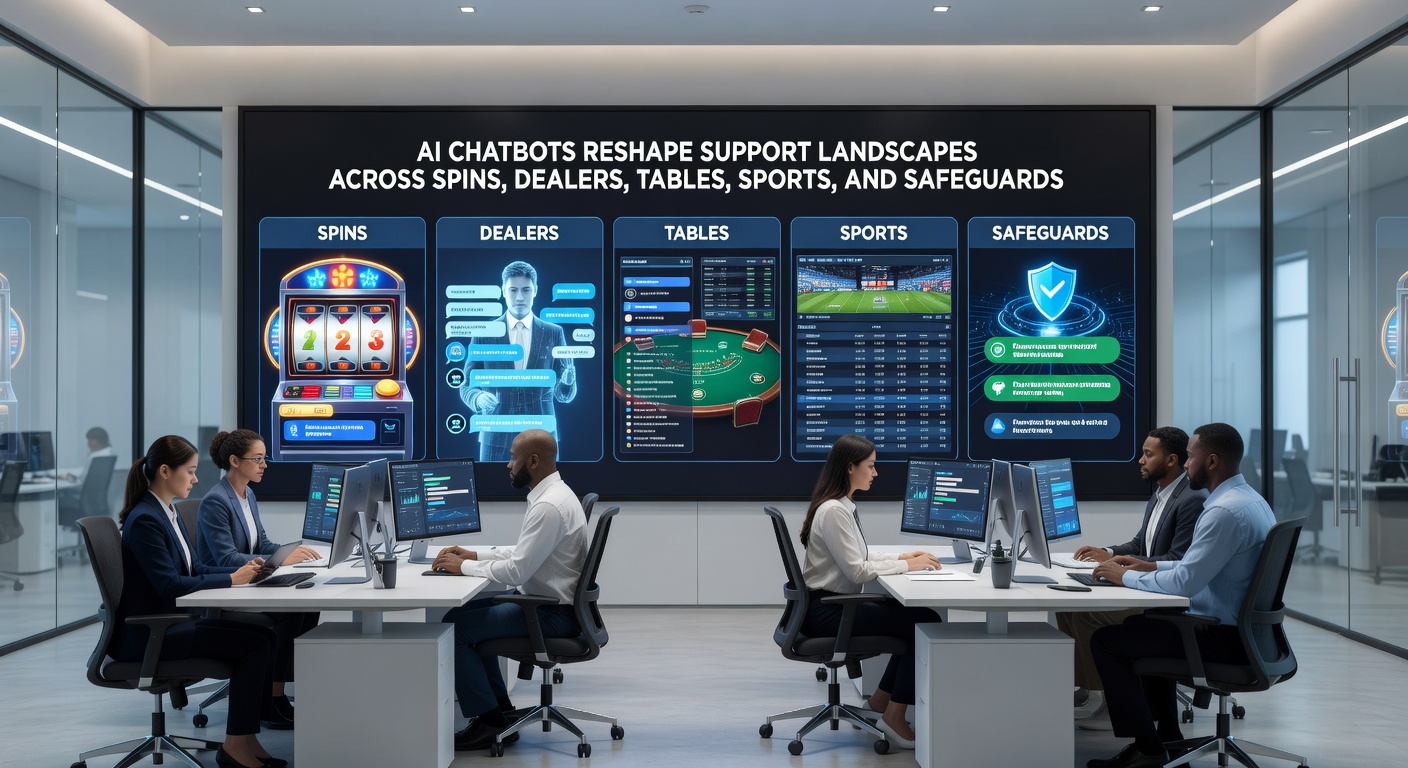
AI chatbots redefine support across spins, dealers, tables, sports, and safeguards, delivering speed, smarts, and scale that traditional teams can't match alone; as platforms evolve, data shows sustained gains in player trust, efficiency, and compliance, setting the stage for even deeper integrations by late 2026. Those in the industry watch closely, knowing the ball's now in tech's court to balance innovation with unwavering reliability.