Bridging Payments with Protections: Tiered Incentives in App-Based Sports and Live Dealer Platforms
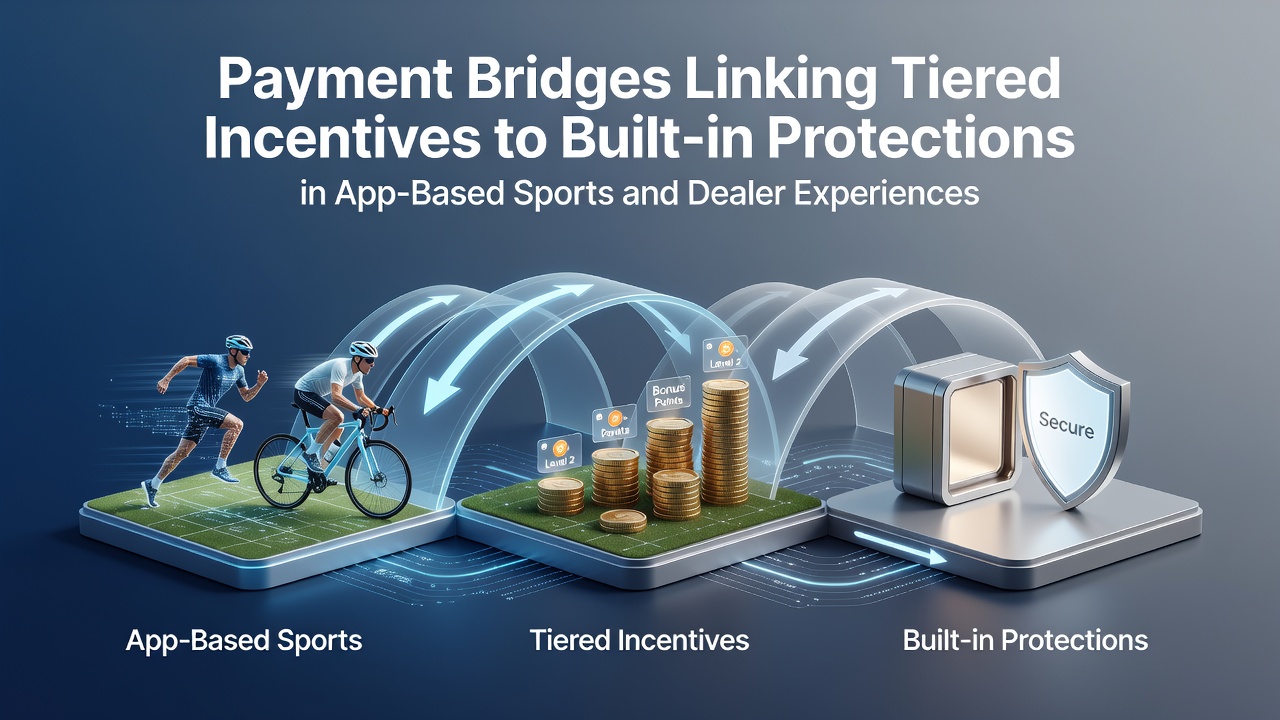
Payment bridges have emerged as technical connectors that tie financial transaction layers directly to reward structures and safety controls within mobile platforms handling sports wagers and live dealer sessions, and these systems allow operators to automate incentive delivery while enforcing spending boundaries at the point of deposit or withdrawal. Data from industry reports shows that such integrations became more common after 2024 as developers sought to streamline user flows across betting categories without separating promotional tools from compliance features.
Mechanics of Payment Integration in Sports and Dealer Apps
Developers build these bridges using API connections that sync payment gateways with backend databases tracking user activity levels, so when a player completes a deposit through an app's sports section the system instantly calculates eligibility for tiered bonuses while cross-checking against preset protection parameters such as daily limits or session timeouts. Researchers at academic institutions have noted that this approach reduces manual interventions and creates seamless experiences where rewards appear in real time yet safeguards activate without additional user prompts.
Live dealer environments add another layer because real-time video streams demand faster processing speeds, and payment bridges here often incorporate instant verification protocols that link larger wagers to higher incentive brackets only after confirming the user's current protection status remains within approved thresholds. Observers note that platforms handling both sports and dealer content benefit from unified ledgers which prevent fragmented data that could otherwise allow incentive claims to bypass safety checks.
Tiered Incentives Tied to Transaction Flows
Tiered programs typically escalate benefits like cashback percentages or exclusive event access based on cumulative payment volumes, and the bridge architecture ensures that progression through levels triggers automatic adjustments to protection settings such as increased deposit caps for verified high-tier users or mandatory cooling-off periods after certain thresholds. Figures from the American Gaming Association reveal steady growth in these combined systems across North American markets through early 2026 with operators reporting higher retention when rewards and limits operate through single payment rails.
One study from the University of Nevada Las Vegas examined how these linkages affect user behavior across hybrid apps, and the findings indicated that participants using bridged systems showed more consistent adherence to voluntary limits because the incentive structure itself reinforced the protection mechanisms rather than treating them as separate modules. Experts have observed similar patterns in European deployments where operators connect sports betting deposits to live dealer bonuses through the same financial pipeline.

Built-in Protections Activated Through Payment Events
Protections gain strength when embedded in payment events because every transaction can serve as a checkpoint for verifying compliance status, and this setup allows features like reality checks or self-exclusion flags to interrupt reward claims if they conflict with active safeguards. As of June 2026 several platforms reported expanded use of these bridges following regulatory updates in multiple jurisdictions that encouraged tighter integration between financial systems and responsible gaming tools.
Payment bridges also support multi-currency handling and regional banking methods while maintaining consistent protection logic across sports and dealer interfaces, which means a user switching from placing football bets to joining a roulette table experiences uninterrupted incentive tracking and limit enforcement. Industry organizations such as the European Gaming and Betting Association have documented cases where these unified approaches reduced instances of users exceeding personal boundaries during promotional periods.
Implementation Patterns Across Platforms
Operators deploy these bridges in stages beginning with core deposit functions before extending coverage to withdrawals and bonus redemptions, and this phased rollout lets teams test how incentive tiers interact with protection triggers without disrupting live sports or dealer sessions. Those who've studied platform architectures note that successful implementations rely on modular designs allowing quick updates when new payment providers enter the ecosystem or when protection standards evolve.
Hybrid users who move between sports and dealer content particularly benefit because the bridge maintains a single view of activity history, ensuring that tier status earned through one category influences reward offers and safety parameters in the other. Reports indicate this continuity helps sustain engagement while minimizing the risk of conflicting settings across different game types.
Conclusion
Payment bridges continue to evolve as central components linking incentive programs with protection frameworks in app-based sports and live dealer environments, and their adoption reflects broader trends toward unified technical solutions that handle both rewards and safeguards through shared financial infrastructure. Continued development in this area depends on collaboration between technology providers, operators, and oversight bodies to maintain functionality across expanding mobile ecosystems.