Charting Loyalty Pathways and Protection Tools in Unified Digital Entertainment Ecosystems
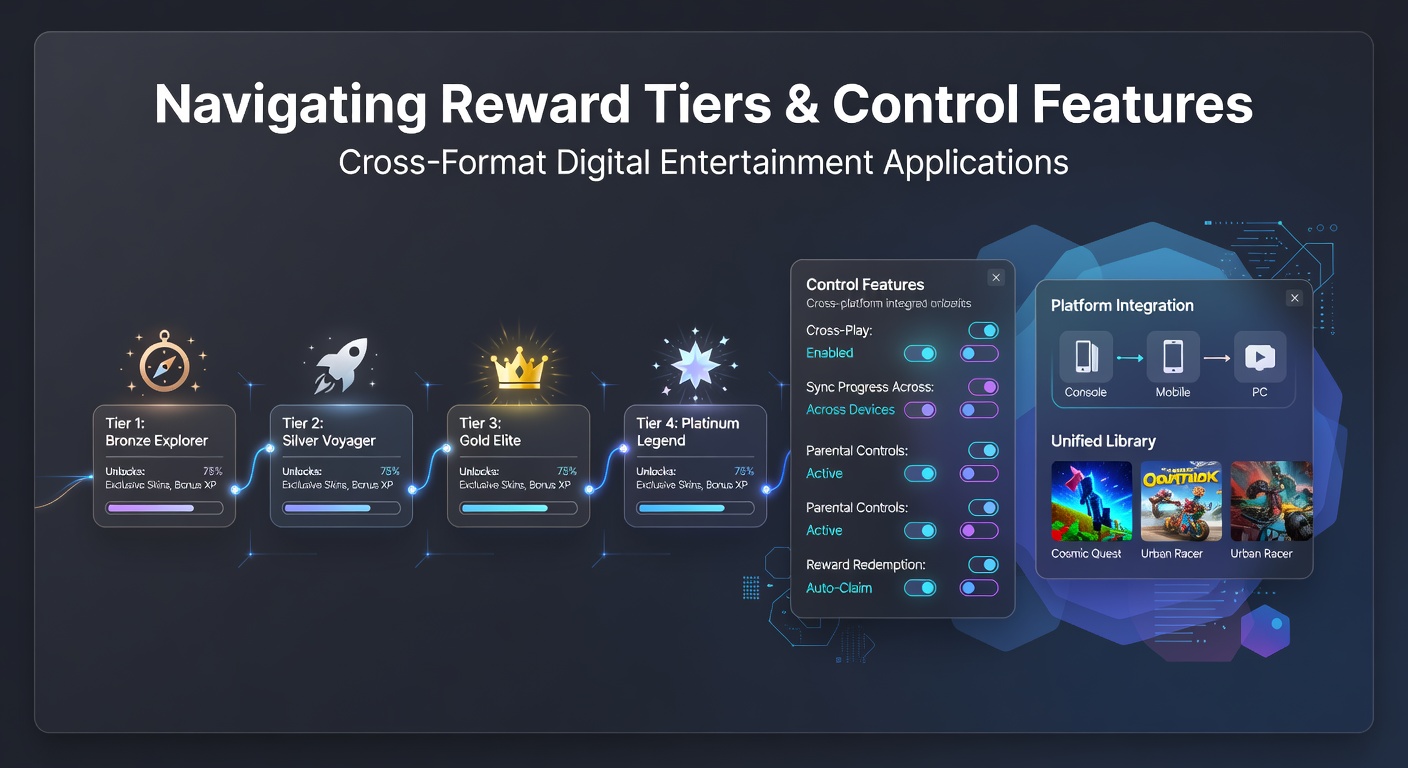 Data from multiple platform operators shows that reward tier systems now span slots, live dealer tables, sports wagers, and table game sections within single applications, while control features such as deposit caps, session timers, and self-exclusion options operate alongside those same tiers. Observers note that this integration allows users to progress through bronze, silver, gold, and platinum levels based on activity across formats, yet the same dashboards display tools that let individuals set spending boundaries or pause participation entirely. Platform developers achieved this by linking loyalty engines directly to account management modules, so points earned from a sports bet automatically count toward the next tier while a separate toggle enforces a daily loss limit. Research indicates that as of May 2026 many operators updated their interfaces to display both reward progress bars and control sliders on the same screen, reducing the number of clicks required to adjust either setting.
How Tier Progression Works Across Formats
Users accumulate points through varied activities, and algorithms convert those points into tier status according to formulas that weight different game types equally or with multipliers. A player who places sports wagers during the week and switches to live dealer sessions on weekends sees combined totals update in real time, which accelerates movement up the ladder. Studies from the American Gaming Association reveal that operators who apply uniform point values across formats report higher retention rates than those that segregate rewards by product.
Each tier unlocks specific perks such as faster withdrawal processing, exclusive tournament entries, and personalized bonus offers, yet these benefits remain subject to the same control settings the user has activated. One case documented by researchers at the University of Nevada showed that when a silver-tier account holder set a weekly deposit limit, the system automatically prorated that limit when the user advanced to gold status, maintaining the original boundary unless the account holder chose to revise it.
Control Features Embedded in Tier Navigation
Control mechanisms include deposit limits, loss thresholds, time-based session caps, and cooling-off periods, all accessible through menus that sit adjacent to loyalty status indicators. Data compiled by the Australian Gambling Research Centre demonstrates that platforms presenting these options in the same view as reward progress see increased usage of the tools compared with systems that bury them in separate submenus.
Operators achieve synchronization by routing both reward calculations and control enforcement through a central user profile database, so a temporary self-exclusion request pauses point accumulation and benefit delivery until the exclusion period ends. Figures released by the Responsible Gambling Council in Canada indicate that such integrated designs lowered the average number of support requests related to limit adjustments during the first quarter of 2026.
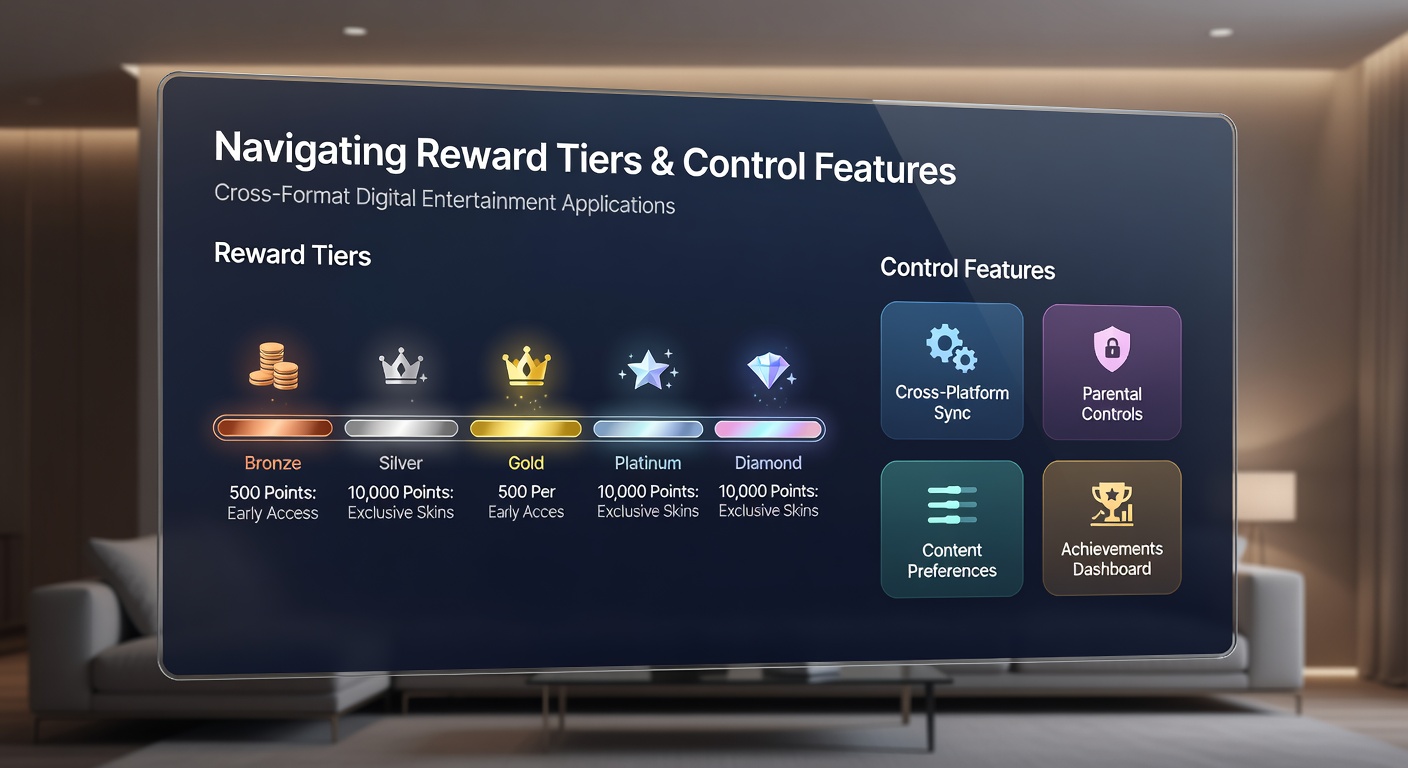
Cross-Format Data Sharing and User Experience
Because applications now merge multiple entertainment formats, the same behavioral data feeds both the tier engine and the control engine, allowing real-time adjustments. When a user reaches a high tier after a streak of sports wins followed by table game play, the system can surface an optional reminder about existing loss limits before the next session begins. Industry reports confirm that this approach maintains compliance with regional regulations without interrupting the flow of rewards.
Technical teams implement these features through modular APIs that pull tier status and control flags from a single source of truth, which reduces latency and prevents conflicts between the two systems. Observers note that when a platinum-tier user requests a temporary reduction in maximum bet size, the change applies instantly across slots, live dealer tables, and sports markets without requiring separate submissions for each format.
Practical Examples from Operating Platforms
One major operator rolled out a unified dashboard in early 2026 that lets users view their current tier, upcoming reward unlocks, and active control settings on a single scrollable screen, while another introduced color-coded icons that highlight when a control setting approaches its threshold during active play. Data shows these visual cues prompted more users to review their limits mid-session rather than waiting until the next login.
Support teams receive training to explain how tier benefits interact with control features, so staff can walk users through scenarios such as retaining cashback percentages while a cooling-off period remains in effect. Training materials emphasize that changes to limits take precedence over reward delivery, ensuring the platform honors user-set boundaries first.
Conclusion
Integrated reward tiers and control features now form core components of cross-format digital entertainment applications, with backend systems designed to treat both elements as interdependent rather than separate modules. Continued updates scheduled through the remainder of 2026 focus on refining the presentation of these tools so users can monitor progress and boundaries within the same workflow, while regulatory frameworks in multiple regions require clear documentation of how the two systems interact.