Digital Payment Networks Bridging Bonus Promotions and Wellness Protocols in Mobile Casino Applications
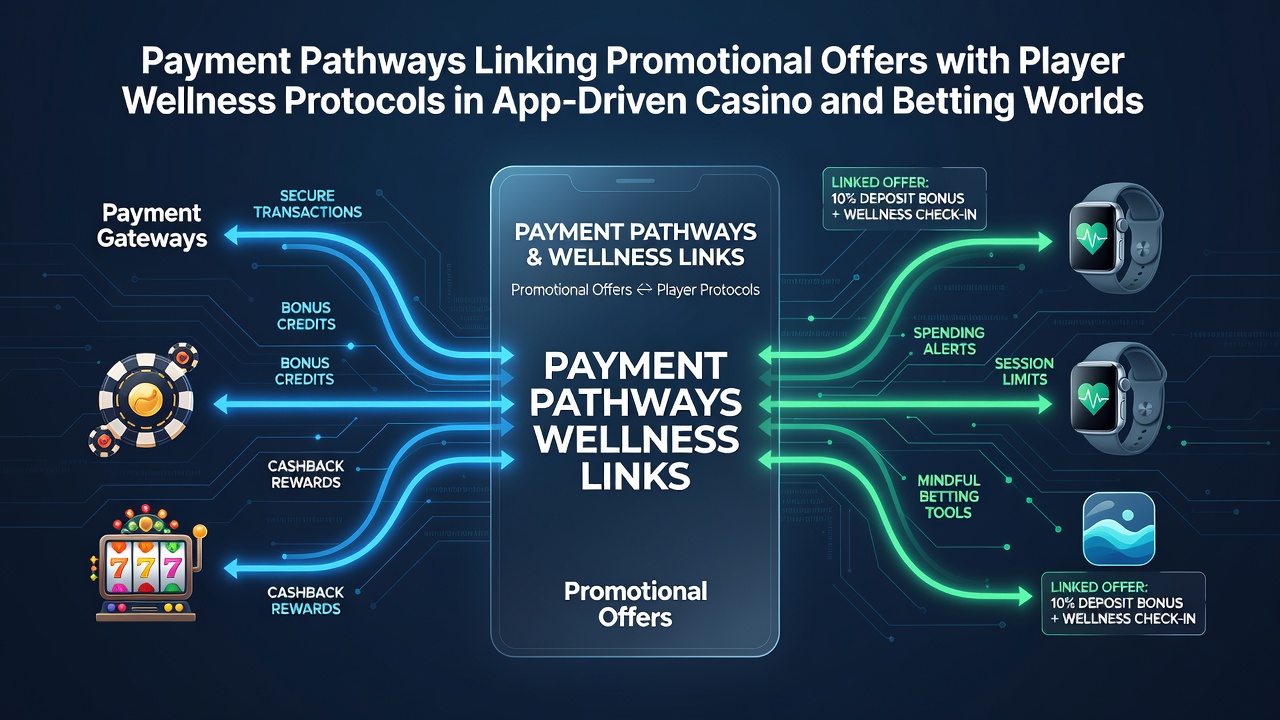
Payment pathways in app-driven casino and betting environments now link promotional incentives directly to player wellness features through integrated transaction systems, and this connection has grown more pronounced as operators refine their mobile platforms throughout 2026. Developers route deposits and withdrawals through gateways that simultaneously track bonus eligibility and enforce spending thresholds set by users or mandated by regulators, which creates seamless flows where a player activating a deposit match offer also encounters automated checks for daily or session limits.
Mechanics of Integrated Payment and Promotion Systems
App architectures handle promotional credits by tagging incoming payments with specific identifiers that trigger both reward calculations and wellness alerts at the same moment, and this dual tagging occurs because payment processors embed metadata fields for bonus codes alongside fields for responsible gaming parameters. Users who deposit funds to unlock free spins or matched bets see those same transactions feed into dashboards displaying remaining allowance before wellness interventions activate, such as cooling-off periods or mandatory reality checks that pause further activity until acknowledged. Data from multiple jurisdictions shows these combined pathways reduce the time between a promotional claim and a wellness prompt to under three seconds in many leading applications.
Wellness Protocols Embedded in Transaction Flows
Wellness protocols operate by intercepting payment confirmations before funds reach the gaming wallet, which allows systems to apply pre-set limits or flag patterns that match risk indicators without interrupting the promotional sequence. For instance a player receiving a loyalty bonus after a series of deposits encounters an automatic query if the cumulative amount approaches a self-imposed cap, and operators have documented that such interventions occur within the payment confirmation screen rather than after gameplay begins. Researchers at the University of Nevada Reno have examined these models in a 2025 report and found that transaction-level integration improves adherence to personal limits by routing alerts through the same API calls used for bonus validation.
Regional Approaches and June 2026 Developments
Regulators in different regions have encouraged this linkage through updated technical standards that require payment processors to support wellness data fields, and in June 2026 several North American and European platforms rolled out updates that align bonus disbursement APIs with limit-enforcement modules. One case involved an operator in New Jersey where a payment gateway now withholds promotional funds until the user confirms current limit settings, while similar configurations appear in Australian state-licensed apps that connect deposit pathways to state-run exclusion registers. These changes build on earlier frameworks from bodies such as the Nevada Gaming Control Board, which published technical guidance on transaction monitoring in late 2025.
Case Examples from Live Platforms
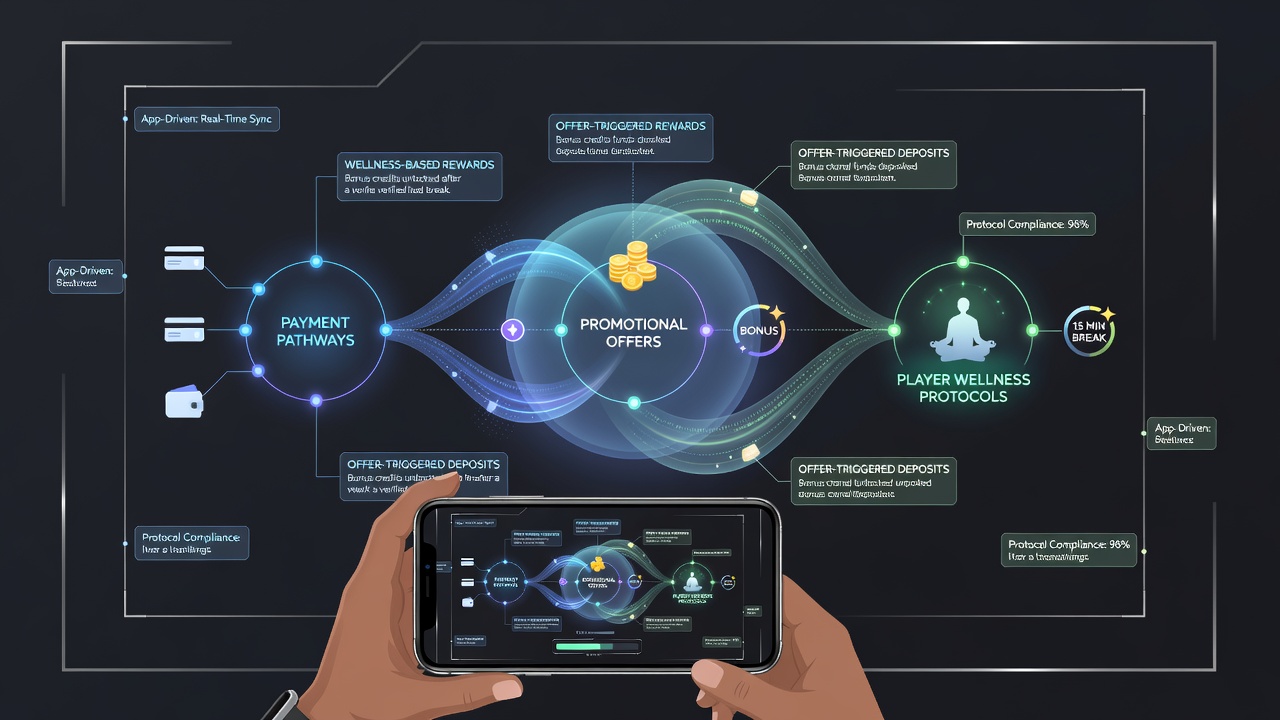
Take one major sports betting application that ties accumulator bonuses to deposit limits by requiring users to set a weekly cap during the initial funding step, and the system then carries that cap forward into every subsequent transaction that unlocks the bonus. Observers note that players who exceed 80 percent of their cap receive a notification inside the payment confirmation window rather than after the bet is placed, which gives them an immediate option to adjust or proceed. Another platform serving table game enthusiasts routes live dealer entry fees through the same pathway, so promotional tournament credits activate only after wellness checks confirm the user has reviewed session time alerts tied to the payment amount.
Technical Standards and Data Exchange
Payment processors exchange structured data packets that contain both promotional identifiers and wellness flags, which allows real-time synchronization across the app's bonus engine and protection module without requiring separate user actions. Industry reports from the American Gaming Association indicate that operators adopting unified transaction schemas have recorded higher rates of voluntary limit adjustments because the prompts arrive at the moment funds are committed rather than during later gameplay. Academic studies further suggest that embedding these checks within payment rails decreases the likelihood of impulsive overrides since the decision point coincides with the financial commitment itself.
Future Trajectory for Linked Systems
Developments scheduled for later in 2026 focus on expanding metadata standards so that cross-border apps can maintain consistent wellness linkages when promotional offers span multiple regulatory zones, and payment providers are testing protocols that automatically translate limit settings into the local currency and jurisdiction rules. This evolution keeps promotional pathways functional while preserving the integrity of player-set boundaries across different markets.
Conclusion
Payment pathways that connect promotional offers with wellness protocols continue to evolve within app-driven casino and betting environments by embedding protective checks directly into transaction sequences, and data from regulatory updates through June 2026 shows measurable improvements in user adherence to personal controls. These integrations rely on shared data structures between payment processors and gaming engines, which deliver both incentives and safeguards at the point of funding. As technical standards advance, the same mechanisms are expected to support broader geographic consistency while maintaining the core linkage between rewards and responsible play features.