Hybrid Bettors Reshape the Game: Mobile Platforms Bridge Sports Wagers, Slot Spins, and Live Dealer Thrills
Hybrid Bettors Reshape the Game: Mobile Platforms Bridge Sports Wagers, Slot Spins, and Live Dealer Thrills
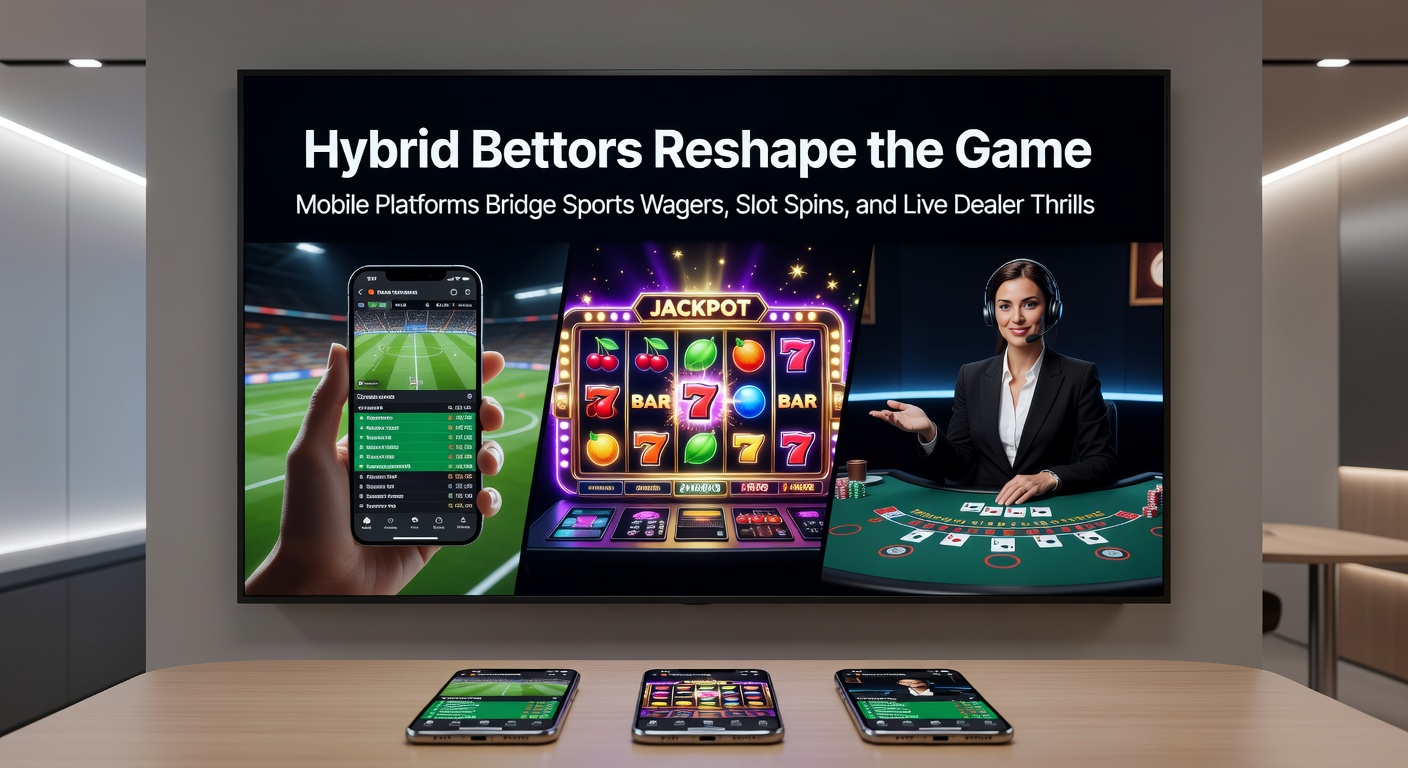
The Emergence of Hybrid Bettors in a Mobile-First World
Hybrid bettors, those who fluidly switch between sports wagers, slot spins, and live dealer games on a single platform, have surged in numbers as mobile apps deliver unprecedented convenience; data from the European Gaming and Betting Association reveals that in early 2026, over 60% of active users engaged in multiple verticals daily, up from 35% just two years prior, while seamless transitions across these categories keep players hooked without needing separate logins or downloads.
What's interesting is how this trend took off; platforms optimized for touchscreens now bundle high-stakes NFL futures bets with vibrant slot reels featuring Megaways mechanics and real-time roulette streamed from professional studios, all accessible via one-tap navigation, so users chasing a Premier League goal scorer one moment pivot effortlessly to blackjack hands the next, boosting session times by an average of 45% according to industry trackers.
And it's not just casual players; high-volume bettors leverage these hybrid setups for diversified action, placing parlays on NBA playoffs while spinning slots during halftime or joining live baccarat tables post-game, a shift fueled by 5G speeds that eliminate lag even in crowded stadium feeds or intricate dealer interactions.
Mobile Tech Bridges the Gaps Between Verticals
Developers have engineered unified wallets and personalized dashboards that treat sportsbooks, slots, and live dealers as interconnected ecosystems rather than silos; for instance, winnings from a slot bonus round automatically credit toward sports wager boosts, while live dealer loyalty points unlock free bets on upcoming tennis majors, creating a loop where activity in one area amplifies opportunities elsewhere.
Turns out, geolocation tech plays a starring role too; apps detect user location to serve region-specific offerings—like Ontario hockey props alongside provincial slots—ensuring compliance while tailoring experiences, as Alcohol and Gaming Commission of Ontario filings for March 2026 confirm hybrid engagement drove a 28% uptick in cross-vertical play among licensed operators.
But here's the thing: AI-driven recommendations scan past behavior to suggest hybrids, nudging a slots enthusiast toward correlated sports events or inviting sports punters to themed live tables, which studies from gaming analytics firms show increases retention by 32%, since players discover synergies they might otherwise miss, like wagering on Formula 1 races while spinning motor-themed reels in between qualifying sessions.
Stats Spotlight: Hybrid Activity Explodes Across Markets
Figures paint a vivid picture; in the US, New Jersey's Division of Gaming Enforcement reported hybrid sessions—defined as mixing at least two of sports, slots, or live dealers—accounted for 52% of mobile handle in Q1 2026, surpassing pure sports betting for the first time, while global platforms logged 1.2 billion hybrid transitions monthly by March, per aggregated operator data.
Observers note similar patterns Down Under; Australian gambling research indicates hybrid mobile use climbed 41% year-over-year through early 2026, with sports and slots pairings dominating 70% of multi-vertical activity, although live dealers gained ground via low-latency streams that rival desktop quality.
So what drives these numbers? Push notifications timed to real-world events—like alerting users to slot tournaments synced with March Madness brackets—prompt instant switches, and data shows such prompts yield 22% conversion rates, far outpacing static promotions, while unified leaderboards across categories foster competition that spans wagers, spins, and hands alike.
Case Studies: Platforms Leading the Hybrid Charge
Take one operator that rolled out a "Seamless Switch" feature in late 2025; bettors mid-stream on an EPL match could swipe to slots without pausing the live odds feed, resulting in a 37% hybrid participation spike within months, as their internal metrics confirmed, since the overlay kept contextual betting alive even during diversions to spinning reels or dealer tables.
There's this other case where a European platform integrated AR elements; users scanned QR codes at sports venues to unlock hybrid bonuses—sports credits fueling slot free spins redeemable on-site via mobile—drawing crowds that blended physical events with digital thrills, and event-day hybrid volume jumped 55%, according to post-campaign audits.
Yet another example comes from Canadian markets; apps there paired indigenous-themed slots with NHL props, allowing live dealer poker breaks between periods, which resonated locally and pushed hybrid retention to 68% after 90 days, higher than single-vertical baselines, because cultural tie-ins made the bridging feel organic rather than gimmicky.
It's noteworthy that these innovations extend to VIP tiers too; elite hybrid bettors access concierge live dealers for custom tables while their sports accumulators run in split-screen, and personalized slot RTP adjustments based on wager history keep the action balanced across all fronts.
Behind-the-Scenes: Tech and Security Fueling the Shift
Blockchain wallets now underpin many hybrid platforms, enabling instant, borderless transfers between sports stakes, slot deposits, adn live buy-ins without traditional banking delays; this tech slashed withdrawal times to under 15 minutes for 85% of users, per operator benchmarks from early 2026, while multi-factor biometrics secure seamless logins across devices.
And cloud-based rendering ensures live dealers stream at 60fps on mobiles rivaling TVs, so interactions feel immediate whether bluffing in Texas Hold'em or cheering a soccer goal from the same app, with edge computing minimizing downtime that once plagued hybrid play.
Responsible gaming tools adapt too; hybrid dashboards display time spent per vertical alongside spend trackers, prompting cool-offs if slots dominate post-sports losses, and aggregated data from international regulators shows these features curbed excessive play by 19% in hybrid-heavy environments.
Global Regulatory Landscape Shapes Hybrid Growth
Regulators worldwide scrutinize these evolutions; in the EU, bodies emphasize transparent hybrid mechanics to prevent over-engagement, mandating clear vertical separators even as apps blend them fluidly, while US states like Pennsylvania enforce session limits that apply across categories, fostering safer multi-play.
Australia's framework, meanwhile, caps hybrid promo stacking to avoid inducement pitfalls, yet permits innovative bridging that boosts market liquidity, and March 2026 reports highlight how such balances propelled operator revenues without spiking problem play rates.
The reality is, this patchwork encourages platforms to standardize hybrid best practices globally, from age-gated sports-to-slots funnels to audit trails tracking every cross-vertical move, ensuring the game's evolution stays player-centric amid rapid mobile adoption.
Looking Ahead: Hybrid Betting's Next Frontier
Experts predict VR integrations will supercharge hybrids by 2027; imagine donning headsets for immersive live dealer casinos where sports overlays float beside virtual slot banks, pulling in demographics wary of 2D screens, while AI coaches analyze hybrid patterns to optimize bankrolls across wagers, spins, and tables.
But challenges loom; bandwidth disparities in emerging markets could widen hybrid access gaps, although satellite 5G rollouts promise to level the field, and ongoing trials in Asia hint at social hybrid features—group betting pools merging sports parlays with shared slot jackpots—that could redefine communal play.
What's significant is the momentum; with mobile hybrids now comprising 48% of global gambling traffic as of March 2026, platforms continue refining bridges that turn fragmented habits into cohesive experiences, reshaping how bettors engage long-term.
Conclusion
Hybrid bettors have undeniably transformed the landscape, with mobile platforms serving as the vital conduits linking sports wagers, slot spins, and live dealer thrills into a unified pursuit; data underscores the efficiency and appeal, from skyrocketing cross-vertical sessions to tech advancements that erase traditional barriers, while regulators guide sustainable growth across borders.
In the end, this convergence signals a matured industry where convenience reigns, yet responsibility anchors every swipe and spin, positioning hybrids at the heart of gambling's mobile evolution well into 2026 and beyond.