Instant Transaction Systems Blend with Player Analytics Across Multi-Format Entertainment Venues
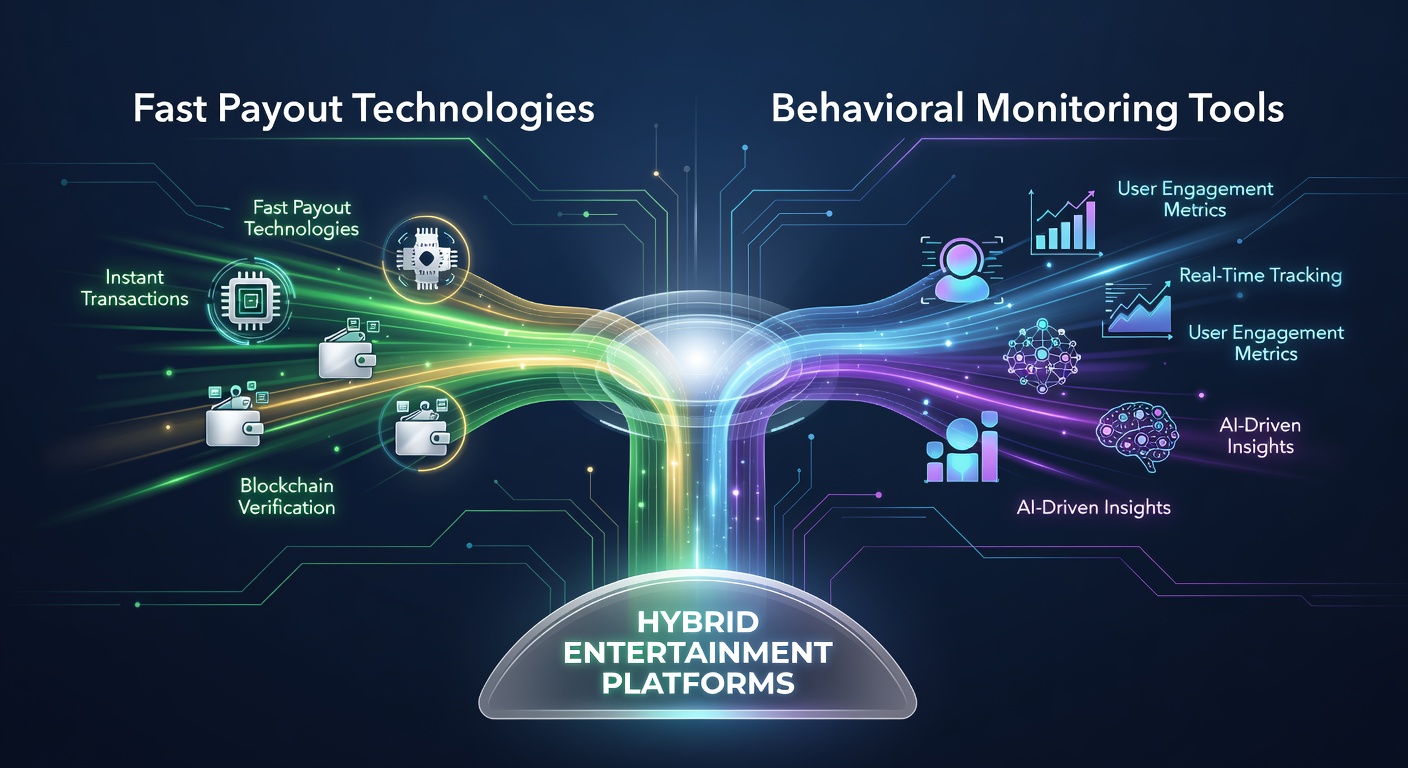
Hybrid entertainment platforms combine slots, live dealer sessions, table games and sports betting within single mobile and desktop environments, and operators have integrated instant payout mechanisms with behavioral monitoring systems to manage both speed and player safety. These platforms process withdrawals through digital wallets, instant bank transfers and cryptocurrency options while algorithms track session lengths, deposit patterns and game preferences in real time.
Fast Payout Mechanisms in Blended Gaming Environments
Payment processors deliver funds to player accounts within seconds when platforms use systems such as e-wallets and blockchain networks, and data from industry reports shows average withdrawal times dropped below five minutes for verified users by early 2026. Hybrid sites route these transactions through unified ledgers that cover all product verticals, so a sports bet win and a slot jackpot both trigger the same automated approval sequence. Operators connect these tools to compliance databases that flag accounts for additional verification only when predefined thresholds appear, which keeps most payouts uninterrupted while satisfying regulatory checks.
Behavioral Monitoring Tools and Their Core Functions
Analytics engines collect data points including login frequency, bet sizing trends and time spent on specific game types, then apply machine learning models to identify shifts that may indicate problem play. Researchers at institutions such as the University of Nevada Reno documented how these systems flag changes in player velocity within the first 48 hours of unusual activity, and platforms feed those alerts directly into responsible gaming modules. The tools operate continuously across all verticals so a user who increases stake sizes after moving from sports to live tables receives the same scrutiny as someone who extends slot sessions past typical limits.
Integration Points Between Payout Speed and Monitoring Systems
Platforms link payout approval workflows to behavioral scores so that users with stable patterns receive instant processing while those showing risk indicators encounter temporary holds or mandatory cooling periods. In June 2026 several major operators updated their APIs to share real-time monitoring data with payment gateways, which reduced manual review volumes by 35 percent according to figures released by the American Gaming Association. The connection works because the monitoring layer assigns risk levels that the payout engine reads before releasing funds, creating a single decision point rather than separate compliance checks.

One documented case involved a Canadian operator that paired instant crypto withdrawals with session-time alerts, and players who exceeded hourly play limits saw their withdrawal requests routed through an additional review step that lasted only 90 seconds on average. This approach maintains the speed users expect while inserting protective pauses when the analytics engine detects elevated risk.
Regulatory and Industry Standards Shaping the Intersection
Authorities in multiple jurisdictions require operators to demonstrate that fast payout systems do not bypass harm-reduction measures, and guidelines from the Australian Communications and Media Authority emphasize the need for synchronized data flows between transaction and monitoring modules. Industry groups such as the European Gaming and Betting Association published technical specifications in late 2025 that outline how risk scores should influence withdrawal velocity without creating unnecessary delays for low-risk accounts. Those specifications include requirements for audit trails that record every instance where monitoring data altered a payout outcome, which helps regulators verify compliance during periodic reviews.
Technical Architecture Supporting Combined Operations
Modern platforms run microservices that handle payments and behavioral analysis on parallel tracks yet share a common data lake, allowing each service to query the other within milliseconds. When a withdrawal request arrives the payment service pulls the current behavioral score, applies any relevant rules and either completes the transfer or triggers a support notification. Developers design these connections with redundancy so that if the monitoring layer experiences latency the payout engine defaults to a conservative mode that requires manual confirmation only for high-value requests.
Conclusion
The intersection of rapid payout technologies and behavioral monitoring continues to evolve as platforms refine data-sharing protocols and regulators update expectations around synchronized safeguards. Operators that maintain both speed and oversight report higher user retention alongside lower rates of disputed transactions, while the underlying systems grow more precise through ongoing model training on aggregated, anonymized datasets.