Integrated Payment Frameworks Support Equitable Access Across Mobile Slots, Live Dealer Channels, and Sports Betting Arenas
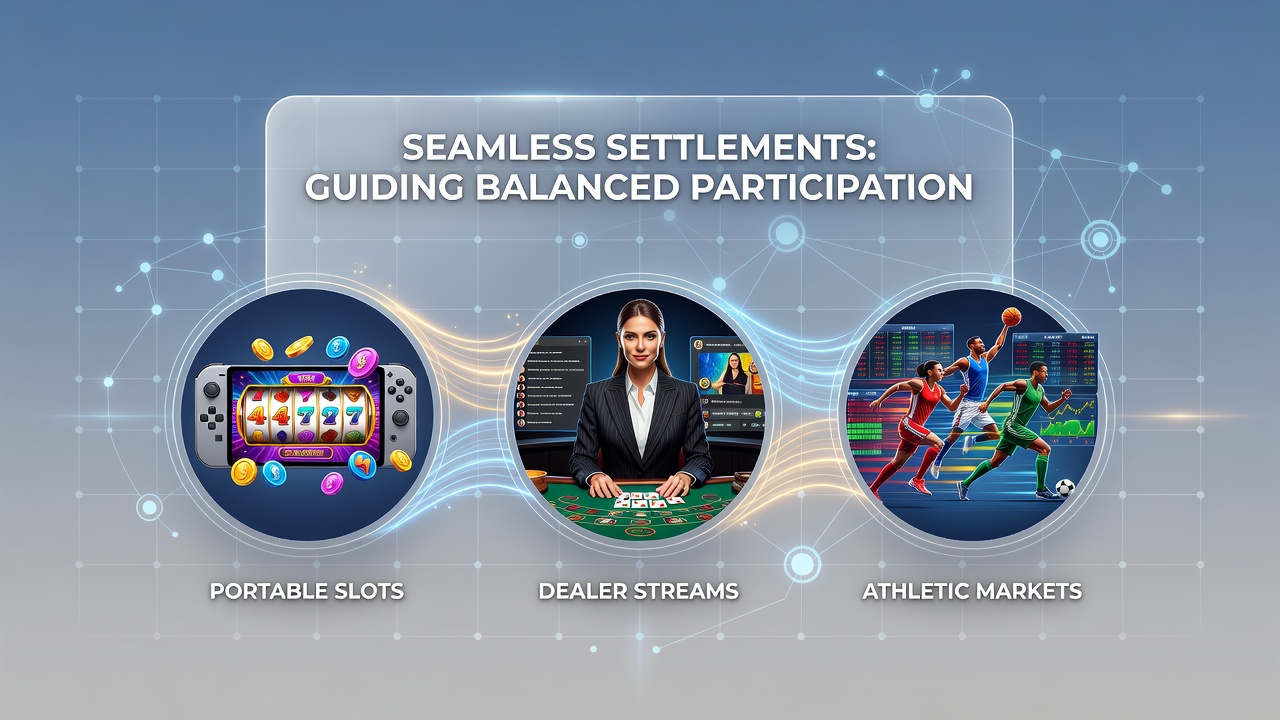
Payment processing systems have evolved to connect portable slot platforms with live dealer broadcasts and athletic wagering environments in ways that allow users to move funds without friction while maintaining compliance across each segment. Data from industry reports shows these frameworks reduce transaction delays from minutes to seconds, which in turn supports participation that spans multiple verticals without forcing players to pause or switch accounts mid-session.
Core Mechanics of Settlement Integration
Modern settlement networks rely on unified APIs that link banking partners directly to gaming operators, and this architecture lets deposits appear instantly whether a participant starts with slot reels, joins a dealer table, or places a sports stake. Observers note that real-time reconciliation happens on the backend, so balances update simultaneously across all three categories while regulatory checks run in parallel rather than sequentially. Studies conducted by the European Gaming and Betting Association indicate that platforms adopting these systems record higher session continuity because users avoid repeated verification steps when shifting from one market to another.
Mobile Slots and Instant Funding Loops
Portable slot applications now embed payment gateways that process micro-transactions in under two seconds, and this speed allows players to replenish balances during bonus rounds without leaving the game interface. Research from the University of Nevada's gaming analytics division reveals that operators using seamless settlement tools see average deposit frequency rise by 18 percent compared with legacy systems, particularly during peak evening hours when users rotate between different slot titles and promotional offers.
Yet the same infrastructure extends beyond slots, because the same API layer feeds live dealer streams where chip purchases must occur without interrupting broadcast flow. Technicians have documented cases where a single wallet serves both automated reels and human-hosted tables, eliminating the need for separate funding actions that once fragmented user attention.
Live Dealer Streams and Synchronized Balances
Dealer stream operators integrate settlement engines that mirror casino floor procedures in digital form, so participants can top up or cash out while cards remain in play. Figures released in July 2026 by the Malta Gaming Authority highlighted a 22 percent increase in cross-vertical engagement on platforms that unified payment rails for live video tables and mobile slots. Viewers who begin with athletic markets often migrate to dealer tables mid-event, and seamless transfers keep their available funds visible without additional logins or wallet switches.
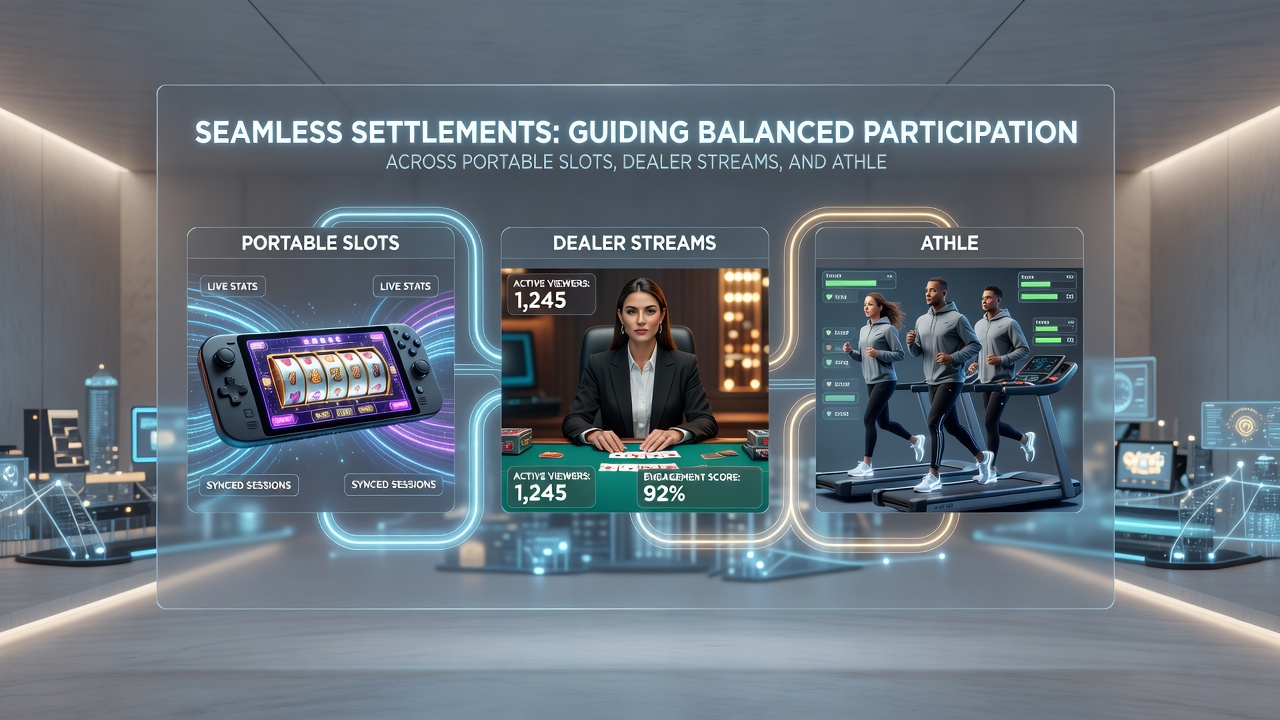
Security protocols embedded in these frameworks scan each transaction against responsible gaming parameters before funds move, and this step occurs invisibly to the user. Those who have examined transaction logs report that declined transfers trigger immediate notifications within the same interface, allowing quick adjustments that keep participation balanced rather than interrupted.
Athletic Markets and Cross-Vertical Funding
Sports betting interfaces have adopted the same settlement standards, enabling users to fund wagers on live matches using balances earned from slot sessions or dealer tables. Industry data compiled by the American Gaming Association shows that operators offering unified wallets across sports and casino products experience 15 percent longer average user lifetimes, because participants can respond to in-game opportunities without exiting one vertical to fund another. Settlement occurs through encrypted channels that comply with regional banking rules, and this compliance layer operates consistently whether the market involves football, tennis, or horse racing.
Take one case where a platform introduced instant settlement between sports stakes and live dealer tables in early 2026, and participation metrics indicated that users who previously limited activity to a single category began distributing time across all three within weeks. The pattern repeats across multiple jurisdictions because the underlying technology removes the previous friction of separate banking processes.
Regulatory Alignment and July 2026 Developments
Authorities in several regions updated technical standards during July 2026 to require real-time reporting of settlement data across verticals, and operators responded by upgrading their APIs to meet the new disclosure thresholds. These updates ensure that balanced participation remains measurable, allowing oversight bodies to track fund movement without imposing additional user steps. Evidence from independent audits confirms that platforms meeting these standards maintain transaction success rates above 99 percent while still enforcing stake limits adn cooling-off periods uniformly.
What's notable is how these frameworks accommodate different payment methods, from bank transfers to digital wallets, without altering the core flow. Users therefore encounter the same settlement experience whether they enter through slots, dealer streams, or athletic markets.
Conclusion
Seamless settlement systems have become the connective tissue that lets participants engage evenly across portable slots, live dealer streams, and sports markets while operators satisfy regulatory requirements. Data continues to show that unified payment rails increase session continuity and reduce drop-off points that once segmented user behavior. As standards evolve, the same infrastructure supports further refinements in speed and security without requiring separate solutions for each vertical.