Integrated Payment Systems Drive Tailored Rewards and Compliance Frameworks in Versatile Mobile Applications
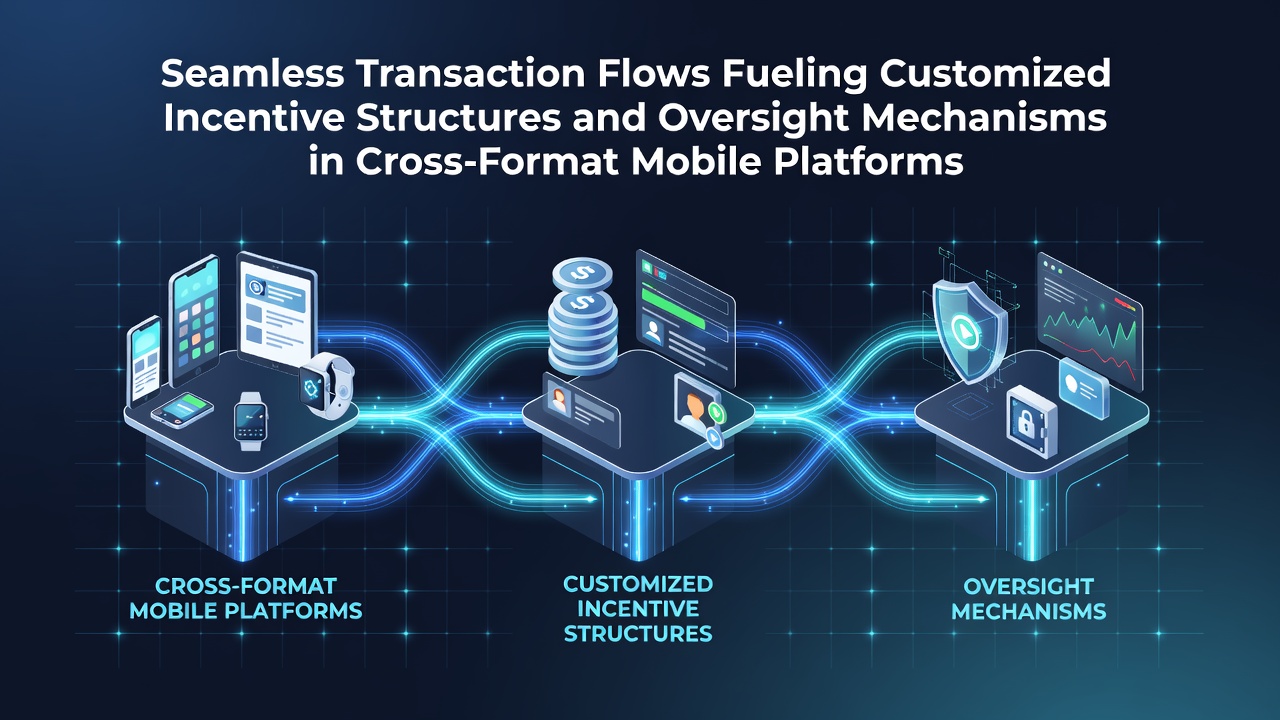
Cross-format mobile platforms rely on seamless transaction flows to connect users across iOS, Android, and web environments without friction, and these systems support customized incentive structures that adjust rewards based on individual usage patterns while oversight mechanisms track compliance through automated monitoring tools.
Developers integrate APIs that handle payments in real time, allowing data to move between formats and enabling platforms to offer dynamic rewards such as loyalty points or tiered discounts that respond to spending habits and engagement levels. Research from the Bank for International Settlements indicates that such integrations reduced transaction processing times by up to 40 percent in major digital service sectors during 2025.
Core Mechanics of Transaction Integration
Transaction flows begin with user authentication that carries across devices through secure token systems, and this continuity lets platforms collect unified data sets that inform incentive customization. Payment gateways process requests in milliseconds while embedding metadata that feeds directly into analytics engines, and those engines generate personalized offers without requiring separate logins or manual updates.
Observers note that platforms using these methods achieve higher retention rates because rewards appear at the moment of interaction rather than after delays. In June 2026 several European fintech consortia released updated interoperability standards that further streamlined these flows across borders, allowing incentives to apply consistently regardless of the user's primary device format.
Customization Through Data-Driven Incentives
Customized incentive structures emerge when transaction data combines with behavioral signals to create targeted rewards, and algorithms adjust parameters such as bonus multipliers or redemption thresholds based on frequency and volume. Users who complete transactions across multiple formats often receive escalating benefits that encourage continued cross-platform activity, while the system maintains records that support regulatory reporting requirements.
Studies conducted at the Massachusetts Institute of Technology Sloan School of Management found that platforms employing real-time customization saw measurable increases in user participation compared with static reward models. The same research highlighted how oversight layers embedded in the transaction pipeline flag anomalies automatically, reducing manual review workloads for compliance teams.
Oversight Mechanisms and Regulatory Alignment
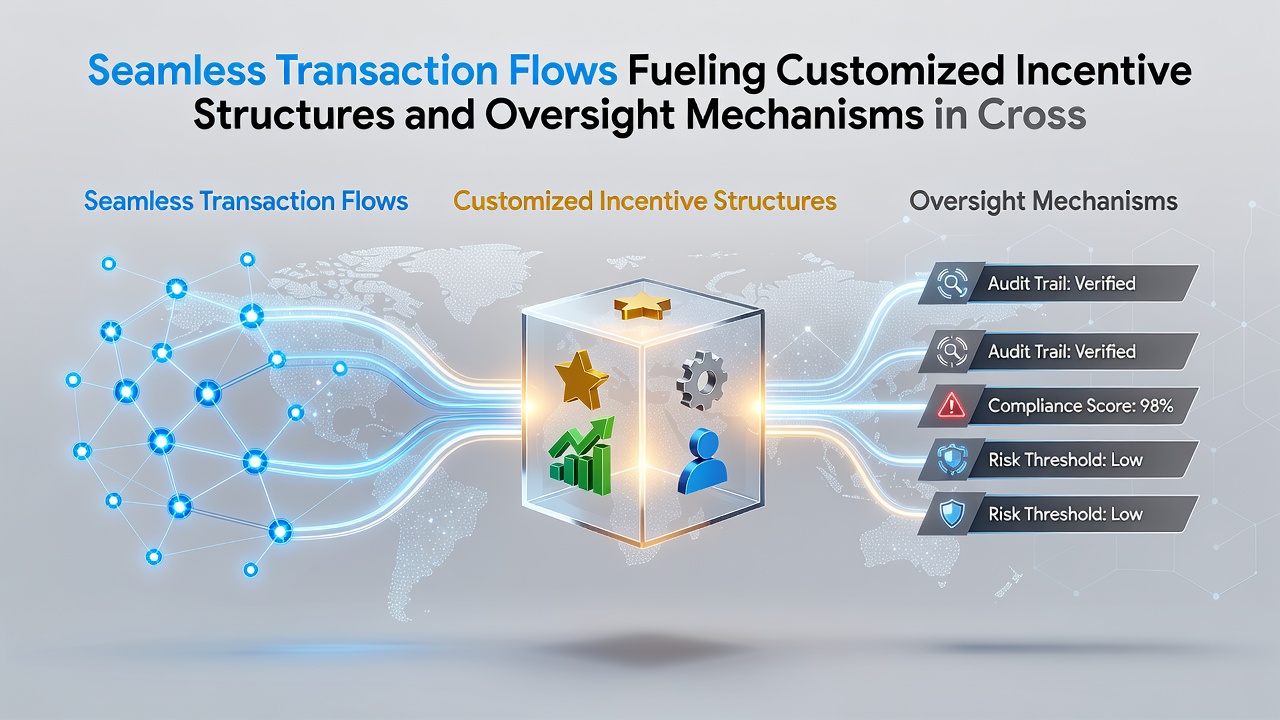
Oversight mechanisms operate through layered monitoring that captures every transaction step and applies rule-based checks for policy adherence, and these systems generate audit trails that regulators can access on demand. Automated alerts notify administrators when patterns deviate from expected norms, allowing rapid intervention while preserving the speed of seamless flows.
Data shows that jurisdictions adopting unified digital reporting frameworks experienced faster approval cycles for new incentive programs because platforms already maintained detailed, machine-readable records. In practice, this means oversight becomes part of the transaction architecture rather than an add-on process that slows operations.
Practical Implementation Across Sectors
Retail applications demonstrate one clear use case where seamless payments link in-store, mobile, and web purchases into a single incentive account, and users accumulate rewards that transfer without conversion steps. Ride-sharing services apply similar structures by tying trip payments to loyalty tiers that adjust dynamically based on ride frequency and route patterns, while built-in oversight ensures fare calculations remain transparent and compliant with local transport regulations.
Those who have examined platform architectures report that the combination of continuous data exchange and embedded compliance checks creates environments where incentives evolve without compromising security or regulatory standards. June 2026 saw additional guidance from the Australian Securities and Investments Commission emphasizing the need for such integrated systems in consumer-facing apps.
Future Trajectories and Standardization Efforts
Standardization bodies continue to refine protocols that support these transaction flows, and industry groups work toward common data formats that allow incentives to function across competing platforms without custom integrations. The result is a landscape where oversight mechanisms scale alongside growth in user bases and transaction volumes.
Conclusion
Seamless transaction flows form the foundation for customized incentive structures and robust oversight in cross-format mobile platforms, and their continued refinement supports both operational efficiency and regulatory compliance across diverse digital services. As platforms expand, the interplay between real-time payments, data-driven rewards, and automated monitoring remains central to maintaining user trust and system integrity.