Payment Pathways Forge Integrated Support Systems in Cross-Platform Mobile Betting
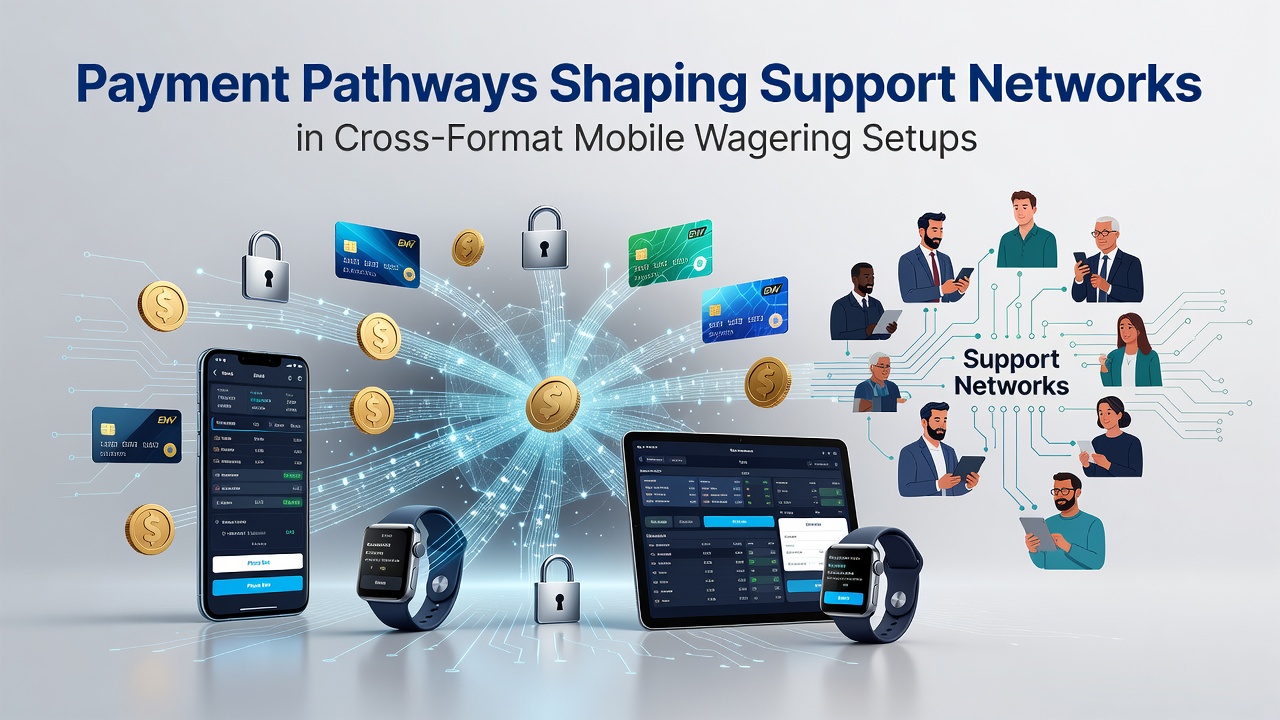
Payment pathways in mobile wagering environments have evolved to connect deposit and withdrawal mechanisms directly with player assistance features across slots, sports betting, table games, and live dealer sessions, creating unified networks that handle transactions while routing users toward responsible gaming tools and account management options.
Integration of Instant Transfers with Real-Time Assistance
Operators have built systems where payment confirmations trigger automated support prompts, allowing players to access chat functions or self-exclusion settings immediately after completing a deposit in any format, and this linkage appears in platforms that serve multiple wagering types simultaneously. Data from industry reports shows transaction speeds averaging under 10 seconds in many apps, which reduces friction and lets support teams monitor activity patterns without separate login steps, while users move between sports stakes and slot sessions without losing access to balance alerts or limit-setting interfaces.
Those who've examined these setups note that payment gateways often embed links to external resources, such as hotlines managed by regional bodies, and this occurs right at the point of fund movement to encourage quick intervention when patterns suggest risk. In July 2026, several platforms introduced tiered verification that ties payment history to personalized support recommendations, connecting deposit frequency data with behavioral flags across different game categories.
Cross-Format Data Sharing Through Payment Rails
Mobile apps now route transaction records through central ledgers that feed into support dashboards, enabling staff to view activity from table tournaments alongside sports wagers and live streams in one interface, and this unified view supports faster responses when players request assistance. Observers note that such pathways allow loyalty points earned via payments to unlock tailored responsible gaming messages, where a deposit in one format automatically updates protection settings visible in all others.
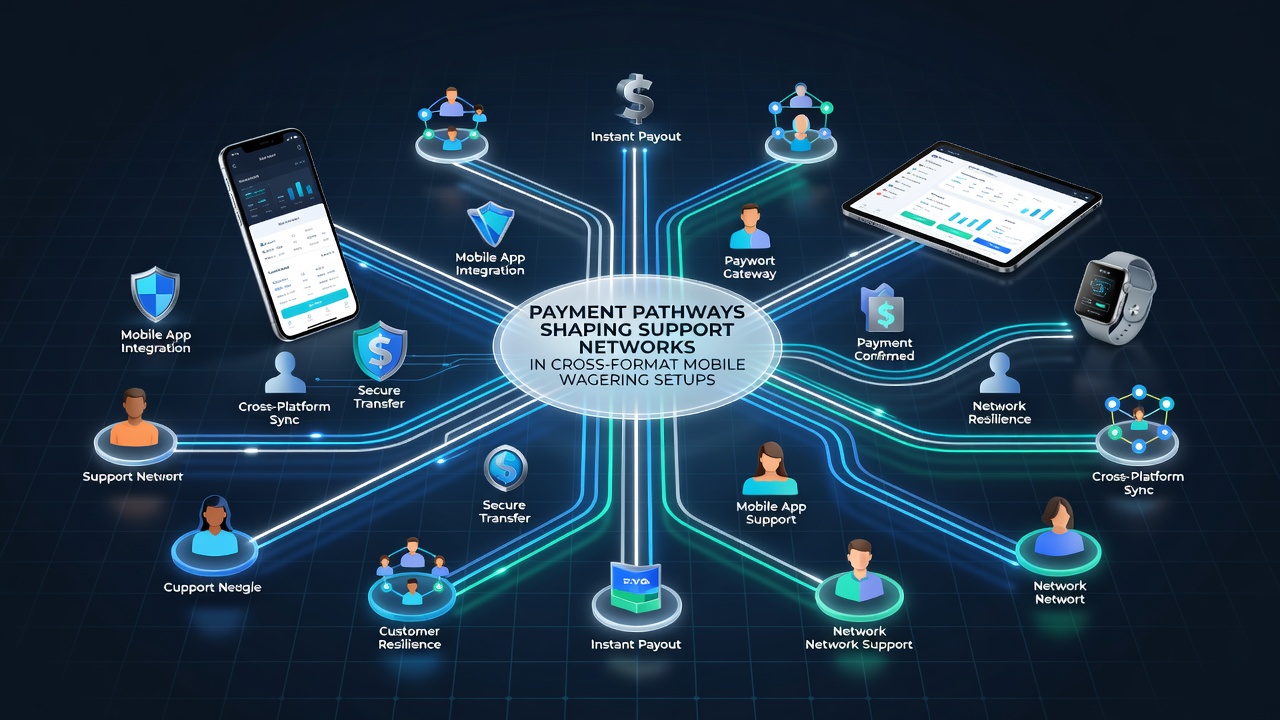
According to figures from the National Council on Problem Gambling, integrated payment systems have coincided with higher usage rates of voluntary limit tools in multi-format environments, as the seamless flow between transaction and support reduces barriers that once existed in siloed apps. Researchers at various institutions have documented cases where payment verification steps double as entry points for educational modules on bankroll management, delivered uniformly whether a user is placing table bets or spinning slots.
Security Protocols Linking Transactions to Safeguards
Encryption standards applied to payment pathways also protect the transmission of support requests, creating end-to-end channels that keep user data consistent across formats, and this design helps prevent mismatches in account status that could delay interventions. In practice, a withdrawal request in a sports betting section can surface prior deposit patterns from live dealer sessions, prompting the system to offer cooling-off options before processing completes.
Studies from academic sources indicate that platforms employing these connected rails report improved compliance metrics, because payment logs supply verifiable records for auditing support interactions, and this holds true across regions where operators must meet standards set by bodies such as those in Australia and Canada. The ball's in the operators' court to maintain these pathways, as any break in the chain between payments and assistance could fragment the support experience for users navigating multiple wagering types.
Future Developments in Payment-Supported Networks
Upcoming updates scheduled for late 2026 focus on expanding payment pathway APIs to include direct feeds into third-party counseling services, allowing instant referrals after large transactions regardless of game format, and this builds on existing models already tested in hybrid apps. What's interesting is how these developments align transaction monitoring with broader player protection frameworks without requiring separate user actions, keeping the focus on fluid movement between deposits, play, and help resources.
Conclusion
Payment pathways continue to serve as foundational elements that tie together support networks in cross-format mobile wagering, delivering consistent access to assistance tools while handling funds across slots, sports, tables, and live sessions, and ongoing refinements in July 2026 point toward even tighter integration with external regulatory and research resources. Observers tracking these systems highlight their role in maintaining operational continuity and data accuracy, which underpins effective player support at scale.