Payment Velocity and Boundary Tools: Unpacking How Transaction Methods Strengthen Self-Limitation Options Across Digital Entertainment Formats
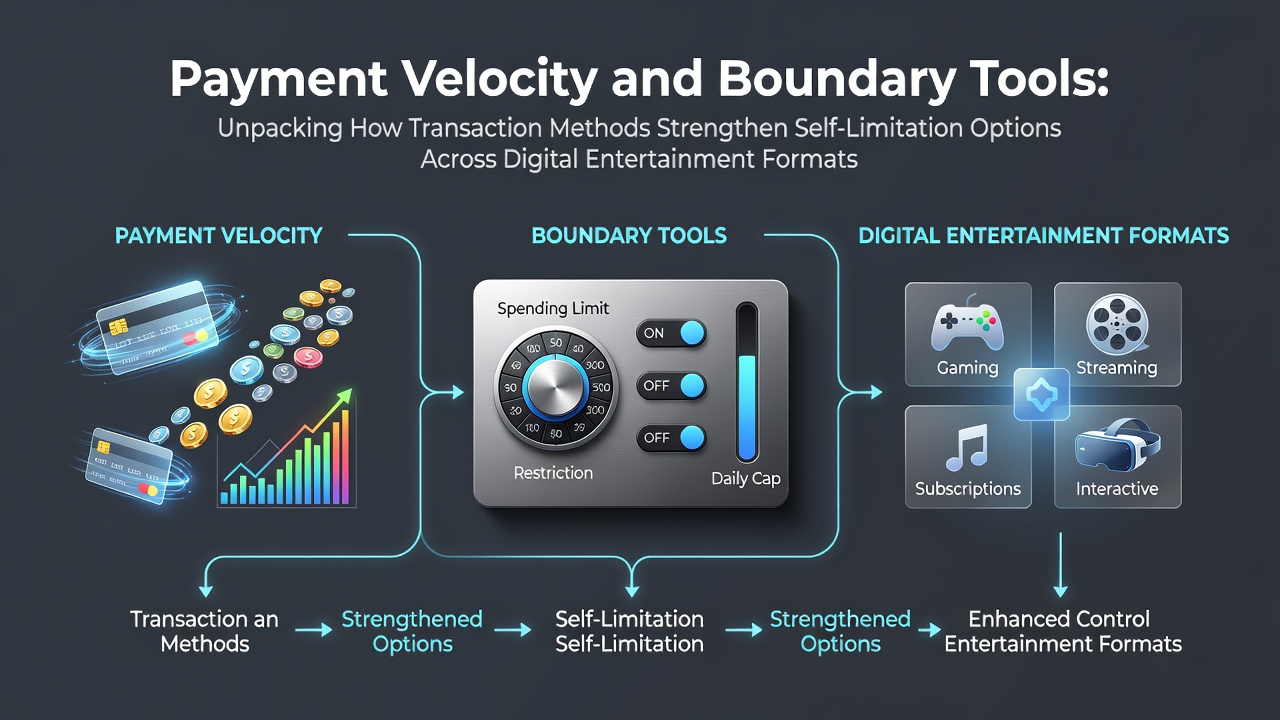
Payment velocity refers to the speed at which funds move through digital systems, and this factor now intersects directly with boundary tools that help users manage their activity in online entertainment environments. Observers note how platforms integrate instant deposit and withdrawal options with preset spending caps, time restrictions, and exclusion features, creating layers that respond in real time rather than after delays accumulate.
Understanding Payment Velocity in Digital Contexts
Digital entertainment platforms process transactions through methods such as e-wallets, bank transfers, and card networks that complete authorizations in seconds. Data from industry reports shows these systems handle millions of operations daily, with velocity measured in milliseconds for approvals and minutes for fund movements. Researchers at institutions like the University of Nevada, Las Vegas have tracked how faster cycles allow users to adjust limits immediately after a session begins, whereas slower methods create gaps where overspending occurs before controls activate.
Boundary tools encompass deposit limits, loss thresholds, session timers, and self-exclusion lists that platforms enforce across slots, table games, and interactive formats. When payment velocity increases, these tools gain precision because adjustments propagate without waiting periods, and users receive confirmations that reflect current balances rather than pending amounts.
Integration of Transaction Methods with Limitation Features
Many platforms now embed velocity controls into user dashboards where selecting a payment option automatically syncs with existing limits. For instance, an e-wallet deposit triggers an instant check against daily caps, blocking excess amounts before they reach the account. Studies indicate this linkage reduces the window for impulsive actions, particularly in mobile apps where sessions often span multiple formats in one sitting.
Those who monitor user behavior patterns report that real-time withdrawals further support boundaries by allowing users to extract winnings without delay, which prevents re-depositing funds that were meant to stay set aside. In June 2026 several operators updated their systems to flag velocity spikes and prompt limit reviews, aligning transaction speed with proactive safeguards.
Regional Approaches and Data Insights
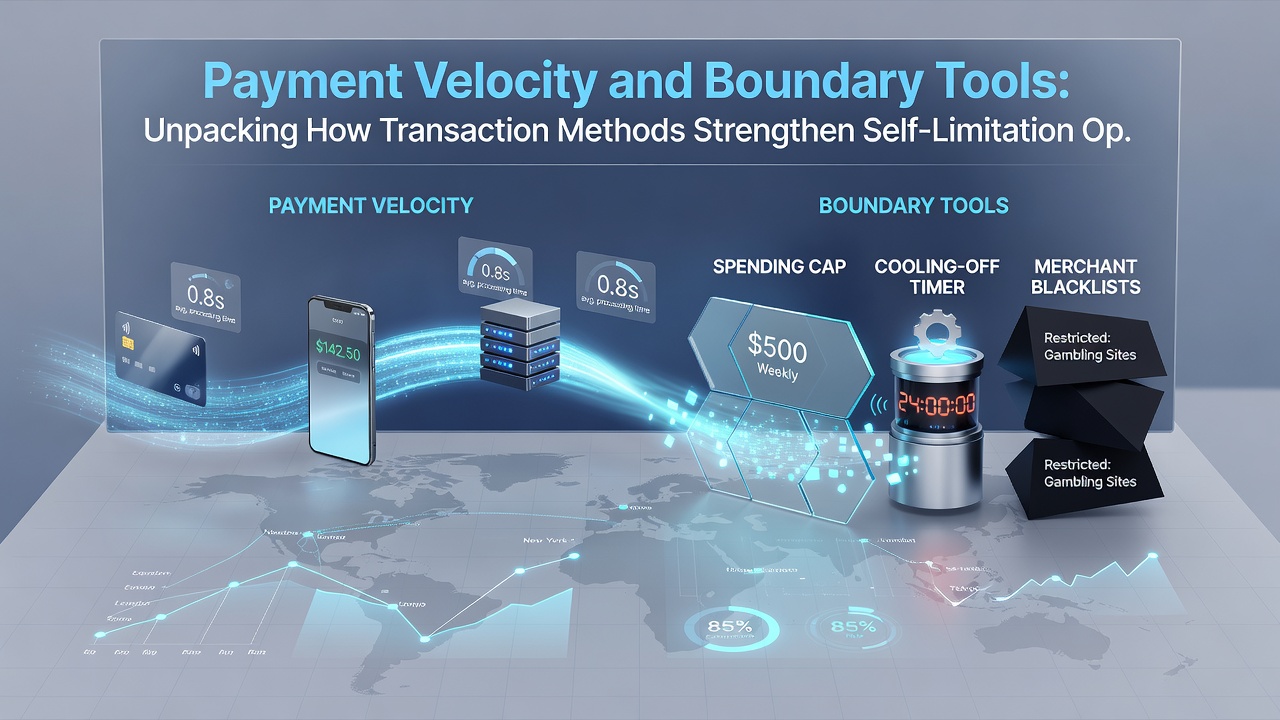
European regulatory frameworks emphasize velocity monitoring as part of broader consumer protection standards, whereas North American jurisdictions focus on state-level licensing that requires transaction logs for audit purposes. The American Gaming Association has published figures showing platforms with high-velocity payments report higher compliance rates for self-set limits when compared to traditional banking routes. Australian research similarly highlights how instant methods combined with boundary alerts correlate with fewer instances of users exceeding their declared thresholds.
Payment providers have introduced features such as velocity caps that mirror user-defined boundaries, pausing further activity once a threshold is met. This technical overlap means a single transaction request can trigger multiple checks across speed, amount, and frequency parameters simultaneously.
Challenges in Implementation Across Formats
Live dealer streams and sports-style betting introduce additional variables because events unfold in continuous time, requiring boundary tools to update without interrupting ongoing play. High-velocity payments help here by processing micro-adjustments to limits mid-session, yet they also demand robust backend systems to avoid errors that could lock users out unexpectedly. Industry analyses reveal that platforms investing in these synchronized tools experience fewer disputes related to limit enforcement.
Cross-format entertainment, where users shift between game types within one account, benefits when payment velocity remains consistent so that aggregated spending data feeds directly into unified boundary calculations. Without this consistency, separate limits per format can create loopholes that users navigate unintentionally.
Conclusion
Transaction velocity continues to shape how boundary tools function in digital entertainment by enabling immediate responses to user-set parameters. Platforms that align payment speed with limitation features provide users with clearer oversight of their activity across various formats, supported by data from regulatory and academic sources that track these interactions over time. As systems evolve, the connection between rapid fund movement and effective self-management options remains a central element in platform design.