Reward Systems That Encourage Moderation: Following VIP Perks Through Varied Casino Offerings and Safety Integrations
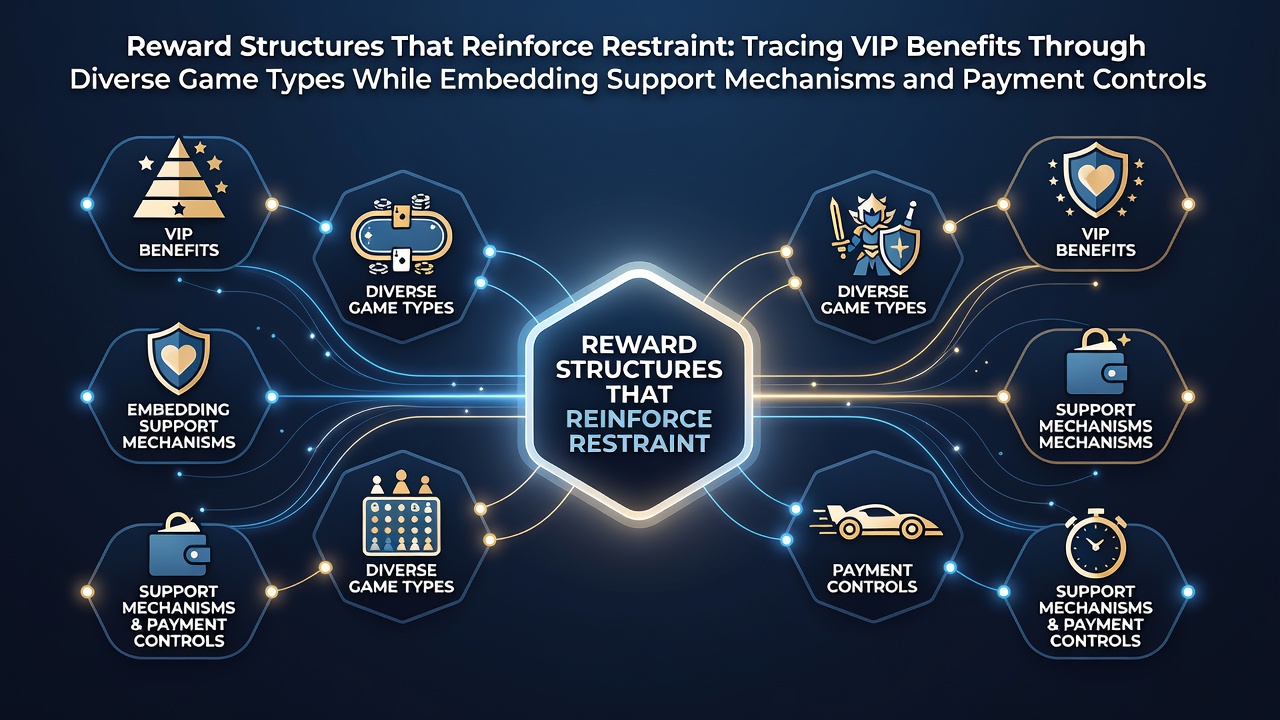
Operators across multiple jurisdictions have developed VIP frameworks that tie escalating benefits to structured controls on spending and session length, creating pathways where high-value players encounter built-in pauses and verification steps at every tier. These systems appear in slots, live dealer environments, table tournaments, and sports betting interfaces, with payment gateways configured to enforce daily or weekly caps that scale alongside reward eligibility.
Tracing Tiered Benefits Across Game Categories
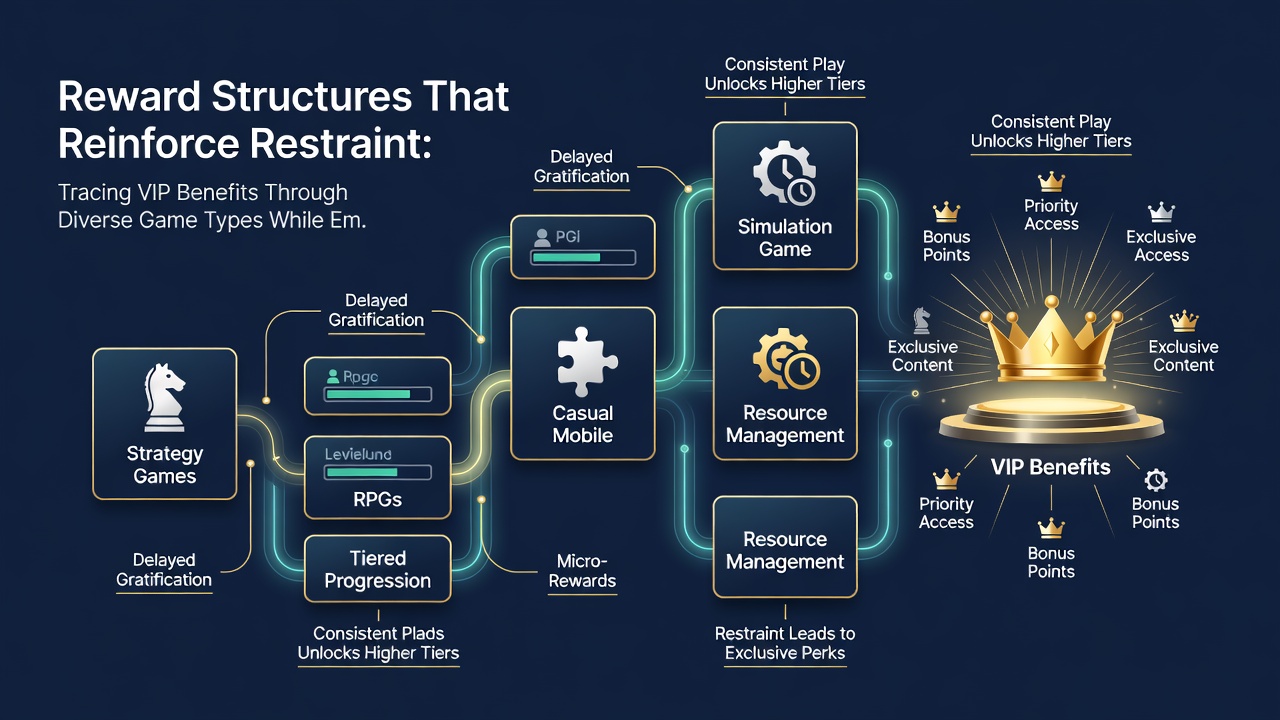
Slot platforms deliver VIP points through consistent spin volume, yet many now link point accumulation to automated reminders that activate once a player reaches 75 percent of a pre-set deposit threshold, while live dealer tables incorporate similar tracking where loyalty multipliers apply only after players confirm session duration limits via in-game prompts. Table game tournaments extend this pattern by requiring participants in higher brackets to maintain verified loss limits that sync with payment processors, and sports betting sections embed comparable structures where parlay rewards unlock only when users have reviewed and adjusted stake caps through dedicated account portals.
Data from the Australian Gambling Research Centre shows that programs incorporating these dual mechanisms saw a 14 percent reduction in voluntary self-exclusion requests among VIP members during the first half of 2026, compared with earlier periods that lacked synchronized controls. Canadian provincial regulators reported parallel outcomes in Ontario and British Columbia markets, where integrated payment locks correlated with steadier retention rates across remote platforms.
Support Mechanisms Embedded in Loyalty Pathways
Customer assistance tools now sit directly inside VIP dashboards rather than in separate help sections, allowing players to adjust reality checks or access counseling links without leaving the rewards interface. These features activate at predetermined milestones, such as after a player claims a monthly cashback bonus or advances to a new tier, and they often include direct routing to regional helplines that operate independently of the operator.
One documented case from a Nevada-licensed operator illustrated how VIP sports bettors received automated prompts linking their current wager history to state-funded support resources once monthly deposits approached the upper boundary of their chosen limit. The same framework applied across table game sections, where tournament participants encountered similar nudges before finalizing entry fees, and slot marathon trackers mirrored the approach by pausing accumulation until users acknowledged the intervention message.
Payment Controls That Scale With Rewards
Payment processors serving multi-game operators now route VIP transactions through layered verification that checks against both deposit limits and self-exclusion registers before releasing funds. This process operates uniformly whether a player funds a slots session, places a live dealer bet, or enters a sports market, with the verification step becoming more frequent as reward tiers increase.
European operators following guidelines from the European Gaming and Betting Association implemented these controls in early 2026, resulting in documented decreases in chargeback volumes among loyalty program participants. The same architecture appears in Australian markets, where state-level requirements mandate that VIP cashback distributions pause automatically if a player has activated any temporary break option through the account settings.
Observers note that these payment safeguards do not eliminate rewards but instead channel them through verification gates that require explicit confirmation, creating friction points that align with responsible play objectives without removing the incentive structure itself.
Cross-Game Consistency in July 2026 Operations
By mid-2026, several multi-jurisdiction platforms had aligned their VIP tracking systems so that activity across slots, tables, live dealer streams, and sports books feeds into a single restraint profile. This unified view allows payment controls and support prompts to follow the player regardless of which product they engage, and it has produced measurable consistency in how operators report adherence to local responsible gaming standards.
Industry reports compiled by the National Council on Problem Gambling indicate that such cross-product integration reduced instances of players bypassing limits by switching game types, a pattern previously observed in segmented loyalty programs. The same data sets highlight that operators maintaining separate reward ledgers for each vertical experienced higher rates of manual intervention requests from players seeking to adjust controls after the fact.
Conclusion
Current implementations demonstrate that VIP structures can incorporate restraint mechanisms at the point of reward delivery rather than as afterthoughts, with payment gateways and support tools positioned to activate in tandem with benefit distribution. Regulatory data from multiple regions continue to track these configurations as operators refine how tier progression interacts with spending boundaries and assistance access points.