Transaction Pathways Quietly Powering Integrated Reel Spins, Dealer Tables, Athletic Wagers, Tiered Incentives, and Built-In Safeguards Across Mobile Platforms
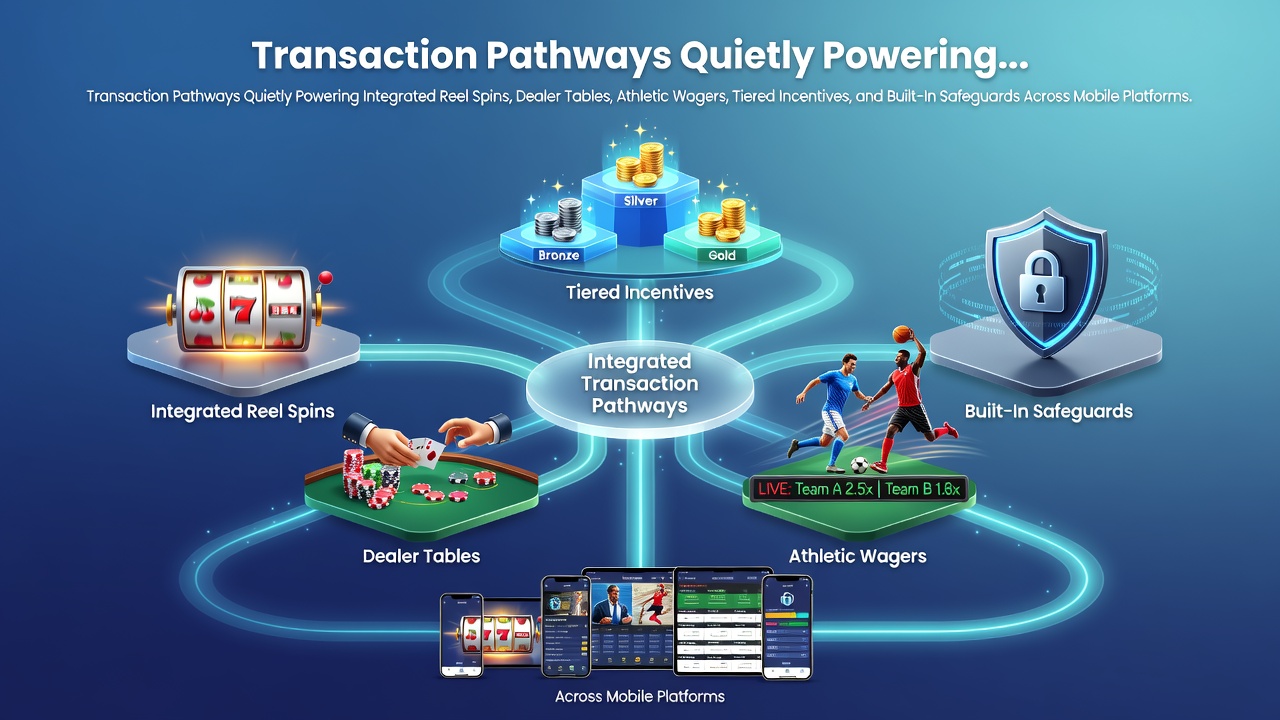
Transaction pathways form the backbone of modern mobile gaming platforms where reel spins, live dealer tables, and athletic wagers operate within unified systems that handle tiered incentives alongside built-in safeguards, and these pathways process deposits, withdrawals, bonus allocations, and compliance checks in coordinated sequences that keep everything running without interruption across devices.
Payment processors integrate directly with game servers so that when a user initiates a spin on a slot title the same ledger tracks progress toward loyalty tiers while applying responsible gaming limits in real time, and this setup allows seamless movement between different activity types without separate logins or manual balance transfers.
Core Mechanics of Integrated Transaction Flows
Digital wallets and API-driven gateways connect slot engines, table management software, adn sports betting modules to a central transaction layer that records every credit movement, applies promotional multipliers, and flags activity against preset thresholds, while operators in multiple jurisdictions rely on these systems to maintain compliance records that regulators review during audits.
According to reports from the Nevada Gaming Control Board, mobile transaction volumes in regulated markets grew steadily through 2025 and into 2026, with June 2026 data showing continued expansion in cross-product play that links reel spins directly to live dealer sessions and sports wagers within single user accounts.
These pathways use tokenization and encryption standards that prevent exposure of sensitive card details during high-frequency interactions such as rapid slot spins or in-play athletic bets, and the same infrastructure supports instant crediting of tiered incentives when players reach milestones across mixed activity types.
How Safeguards Embed Within Payment Processes
Built-in limits on deposit frequency, session duration, and loss amounts activate automatically through the transaction layer rather than as after-the-fact interventions, which means a player attempting to exceed a self-set cap on sports wagers triggers an immediate block that also covers slot and table activity in the same account.
Research from the Responsible Gambling Council indicates that platforms embedding these checks at the payment gateway level achieve higher adherence rates because the controls operate continuously rather than depending on separate monitoring tools.
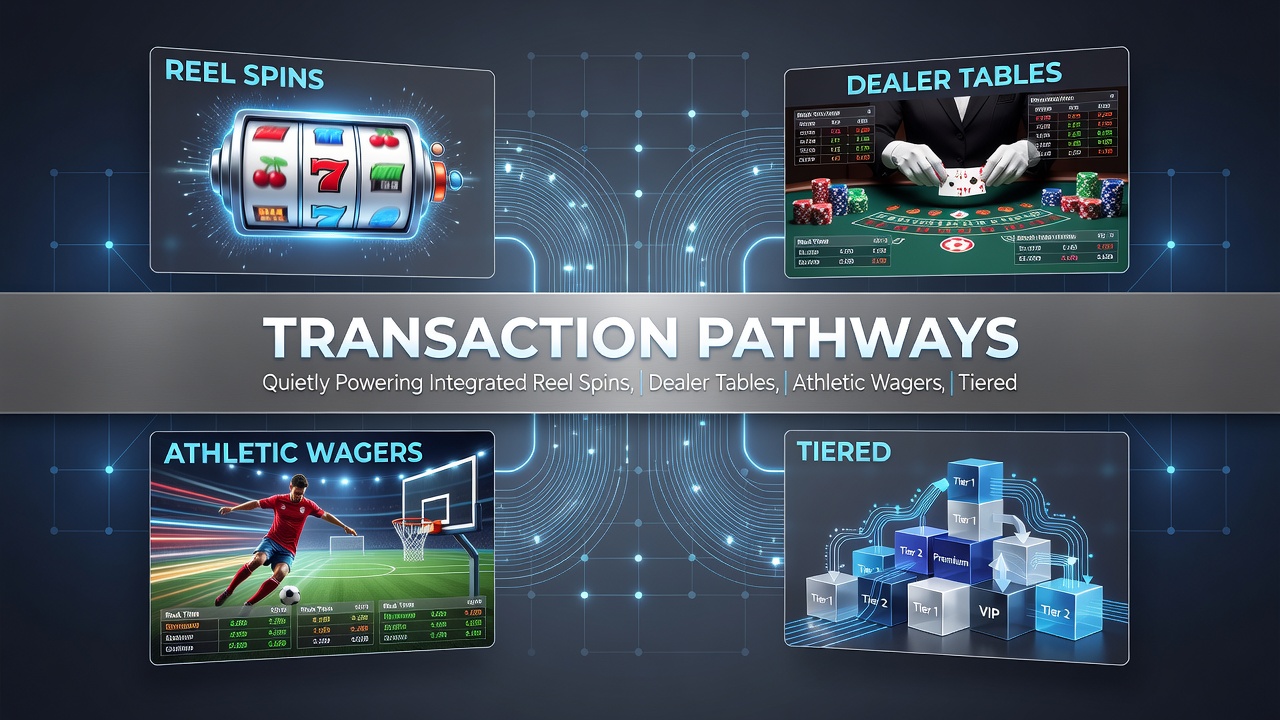
Observers note that when loyalty programs draw from combined data across reel spins, dealer tables, and athletic wagers, the transaction system must reconcile bonus eligibility, wagering requirements, and redemption options without creating friction for users who switch between product categories mid-session.
Mobile-Specific Integration Patterns
App-based environments demand low-latency transaction responses because delays during live dealer decisions or in-play sports betting can disrupt the experience, and leading platforms therefore deploy edge computing nodes that process payments closer to the user while still syncing with central compliance databases.
Case studies from Canadian provincial operators reveal that unified transaction pathways reduce support tickets related to balance discrepancies by routing all activity types through a single reconciliation engine, and this approach also simplifies the delivery of tiered incentives that reward cross-category participation.
June 2026 updates from several European regulatory bodies highlighted increased scrutiny on how mobile transaction logs support audit trails for responsible gaming interventions, particularly when players engage in mixed sessions involving slots, tables, and sports stakes within short timeframes.
Future Trajectory and System Resilience
Transaction architectures continue to evolve toward greater interoperability so that tiered incentive structures can pull data from any combination of reel spins, live dealer tables, and athletic wagers without requiring custom integrations for each new game type added to the platform.
Those who have studied these systems emphasize that resilience comes from redundant routing options that keep payments and safeguards operational even during partial network outages, ensuring that built-in protections remain active regardless of activity volume.
Conclusion
Transaction pathways serve as the invisible infrastructure that links reel spins, dealer tables, athletic wagers, tiered incentives, and safeguards into cohesive mobile experiences, and continued refinements in June 2026 and beyond will likely focus on faster reconciliation and more granular control mechanisms while maintaining regulatory alignment across regions.