Velocity in Digital Wallets: Linking Rapid Transfers to Loyalty Structures and Behavioral Limits Across Hybrid Mobile Wagering Ecosystems
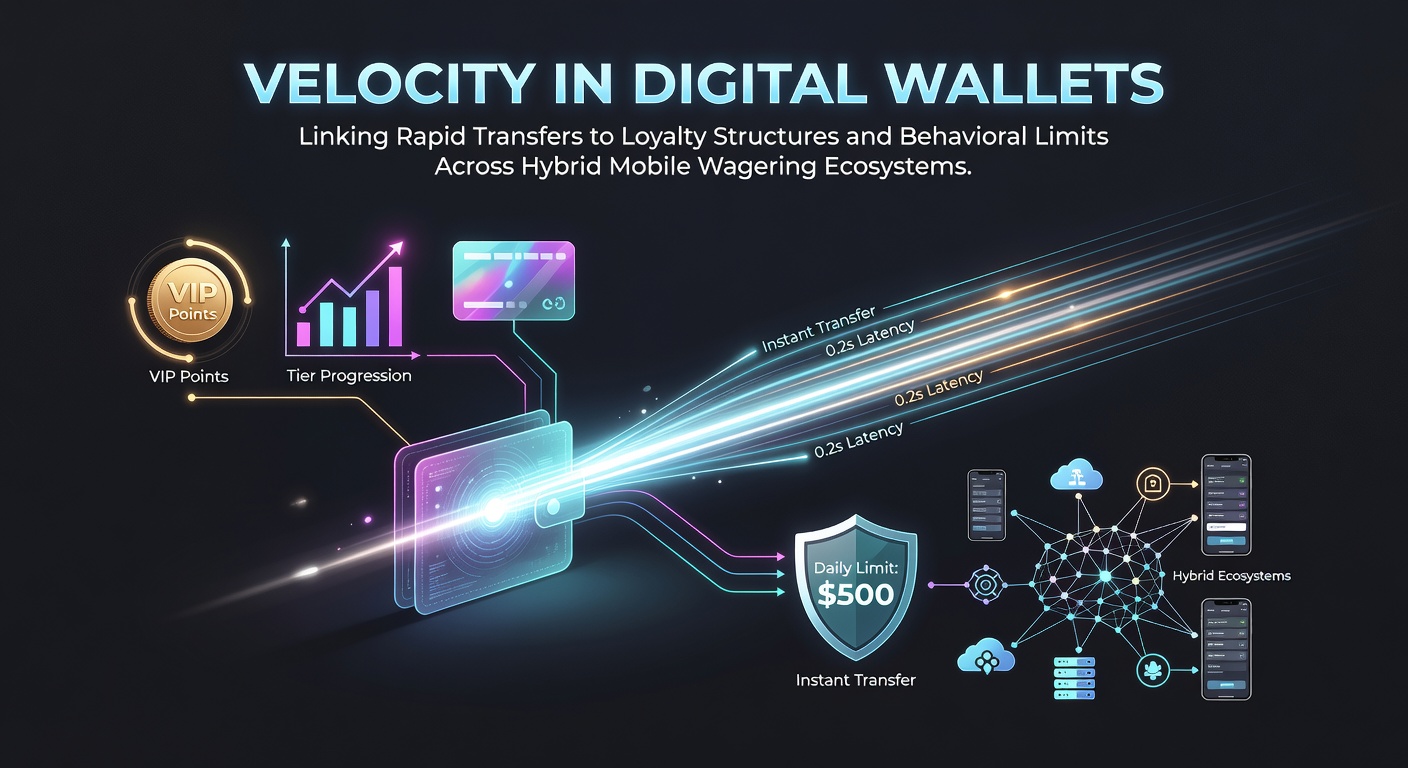
Digital wallets have transformed transaction speeds in hybrid mobile wagering platforms that combine sports betting with casino games, and this velocity directly shapes how loyalty programs reward users while imposing behavioral controls to manage activity levels. Rapid transfers allow funds to move from bank accounts or cards into app balances within seconds, which in turn accelerates point accumulation and tier progression in reward structures across integrated ecosystems.
How Transfer Speed Connects to Loyalty Mechanics
Platforms track deposit velocity as a metric that feeds into loyalty algorithms, where users who complete multiple transfers in short windows earn bonus multipliers on their accumulated points, and this system operates in apps that blend slot sessions with live dealer tables and sports wagers. Data from industry reports shows that transfer times under ten seconds correlate with higher engagement rates in reward tiers, because the seamless flow encourages repeated activity without friction at the payment layer.
Observers note that loyalty structures adjust dynamically based on transfer patterns, granting elite status faster to accounts that demonstrate consistent velocity, while built-in thresholds prevent unchecked acceleration by capping point bonuses after a set number of rapid moves in a single session. In June 2026, several operators updated their systems to link wallet speed metrics with personalized reward offers that activate only when users stay within predefined behavioral parameters.
Behavioral Limits Embedded in Fast-Payment Flows
Behavioral controls appear as spending caps and session timers that activate in response to high-velocity transfers, and these features sit alongside loyalty pathways so that rapid deposits trigger both reward credits and protective pauses. Researchers at academic institutions have examined how such integrated designs affect user patterns, with findings indicating that platforms using real-time velocity monitoring reduce instances of extended play sessions by prompting limit reviews after a threshold number of quick transfers.
One study from the University of Nevada Reno explored mobile wagering data and revealed that apps combining instant wallet functions with tiered loyalty programs maintain separate tracking for deposit speed versus total spend, allowing users to climb reward ladders while automatic brakes engage when daily transfer volumes exceed operator-set boundaries. These mechanisms operate across regions, drawing from regulatory frameworks in places like the Nevada Gaming Control Board and similar bodies in Australia that emphasize velocity-aware safeguards in digital payment ecosystems.
Integration Across Hybrid Mobile Ecosystems
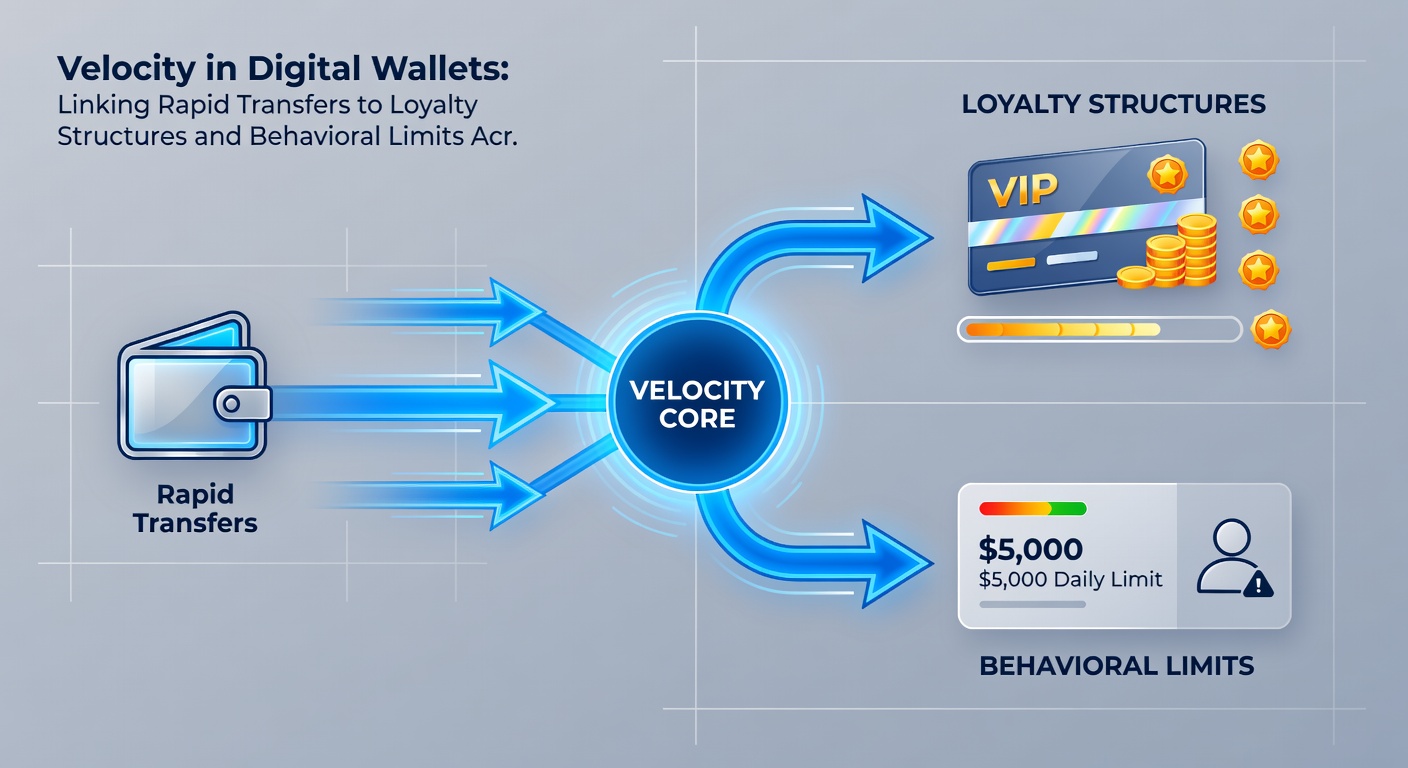
Hybrid platforms merge sports odds with table games and slots into single apps where digital wallet velocity influences every vertical, and loyalty points earned from a rapid sports wager deposit can transfer directly to casino play bonuses without additional steps. This cross-pollination means behavioral limits must account for activity across categories, since a user shifting quickly between wagering types can accumulate rewards at accelerated rates that the system then moderates through unified caps.
Industry organizations such as the European Gaming and Betting Association have documented how operators implement velocity-based loyalty adjustments that reward speed while enforcing daily or weekly transfer ceilings, and these rules apply uniformly whether the activity involves live dealer streams or mobile sports betting interfaces. The result creates ecosystems where fast transfers serve as both accelerators for status gains and signals for limit enforcement protocols.
Technical Implementation and Regional Variations
Wallet providers integrate APIs that report transfer timestamps to wagering backends, enabling loyalty engines to calculate velocity scores that determine reward eligibility and simultaneously feed behavioral analytics modules. In Canada, provincial regulators have reviewed similar setups where rapid payment features pair with mandatory cooling-off periods triggered by high-speed activity clusters, ensuring that loyalty progression does not bypass protective features.
Technical teams at major platforms configure these linkages so that a series of sub-second transfers automatically populates loyalty dashboards with updated tier information while displaying remaining behavioral headroom before limits activate. This dual-tracking approach keeps reward structures responsive to payment velocity without allowing it to override the safeguards embedded in the same mobile interfaces.
Conclusion
Velocity in digital wallets continues to shape loyalty structures and behavioral limits in hybrid mobile wagering by creating direct connections between transfer speed, reward accumulation, and protective thresholds, and operators maintain these linkages through real-time data flows that adapt across sports and casino components. As systems evolve, the balance between rapid fund movement and controlled engagement remains central to platform design in multiple regulatory environments.