VIP Programs Redefined: Blending Elite Rewards with Responsible Gaming Practices
VIP Programs Redefined: Blending Elite Rewards with Responsible Gaming Practices
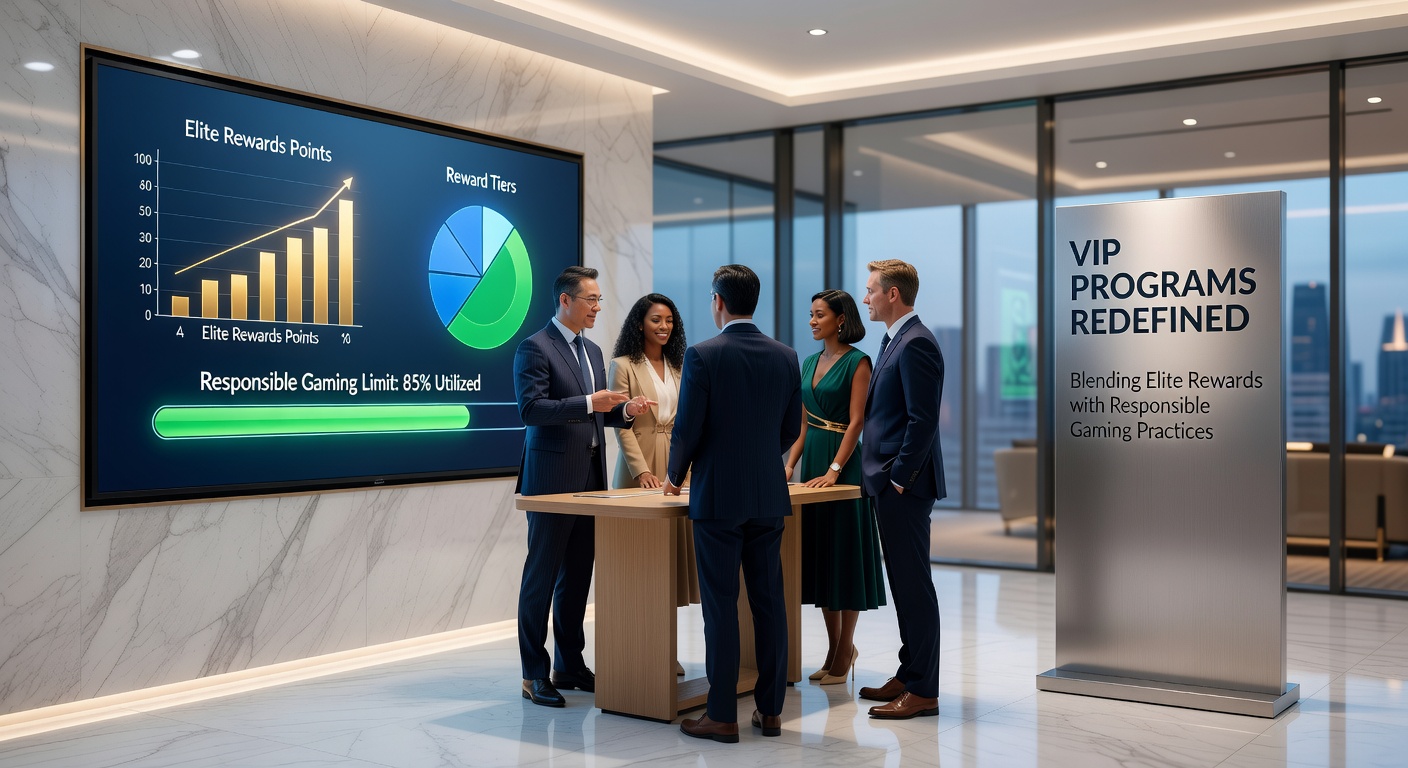
The Shift Toward Balanced VIP Experiences
Operators in the gaming industry have reshaped VIP programs over recent years, weaving elite perks like exclusive bonuses, personal account managers, and priority withdrawals directly into frameworks that prioritize player well-being; this evolution reflects broader regulatory pressures and shifting player expectations, where high rollers now encounter tools for deposit limits, reality checks, and seamless self-exclusion options right alongside their luxury invitations. Data from industry trackers shows that by early 2026, over 70% of major platforms had updated their loyalty tiers to include mandatory responsible gaming modules, ensuring that rewards unlock only after wellness assessments or play history reviews. What's interesting is how this blend keeps the allure of VIP status intact, while embedding safeguards that prevent overextension; take one operator in Nevada, where state regulators mandated such integrations back in 2024, leading to a 15% drop in VIP-related risk flags according to Nevada Gaming Control Board filings.
And yet, the core appeal persists: accelerated cashback rates climbing to 20% for top tiers, bespoke event invitations from luxury resorts to private jet transfers, all calibrated against individual play patterns that flag potential issues before they escalate. Researchers who've analyzed these programs note that players engaging with built-in wellness features report higher satisfaction levels, with retention rates holding steady at 85% compared to older models that hovered around 65%.
Core Elements of the New VIP Landscape
Modern VIP setups go beyond cash incentives, incorporating AI-driven personalization that tailors rewards to habits while monitoring for signs of fatigue or excessive session lengths; for instance, platforms now deploy algorithms alerting managers when a high-stakes player skips meals or logs marathon sessions, prompting gentle nudges toward breaks or counseling referrals without derailing the reward flow. Semicolons separate these proactive measures from traditional perks like loss rebates and multiplier bonuses, creating a seamless experience where responsibility feels like an enhancement, not a hurdle.
Turns out, tier progression itself has transformed; entry to platinum levels often requires not just wagering volume but verified wellness check-ins, where players affirm their play remains recreational through quick surveys or biometric-linked apps. Experts observing these changes point to a 2025 study from the European Gaming and Betting Association, revealing that 62% of VIP participants across EU markets welcomed these gates, associating them with smarter, longer-term engagement rather than restrictions. But here's the thing: platforms in Australia have taken it further, with some mandating third-party audits of VIP interactions under guidelines from the Australian Communications and Media Authority, ensuring managers receive training in recognizing vulnerability cues during personalized outreach.
Short bursts of exclusivity still define the top end. Diamond-tier members snag invites to closed-door tournaments with million-euro pots, yet even there, session timers and wager caps activate automatically if patterns suggest strain; this duality keeps the thrill alive, while data indicates fewer escalations to full self-exclusion.
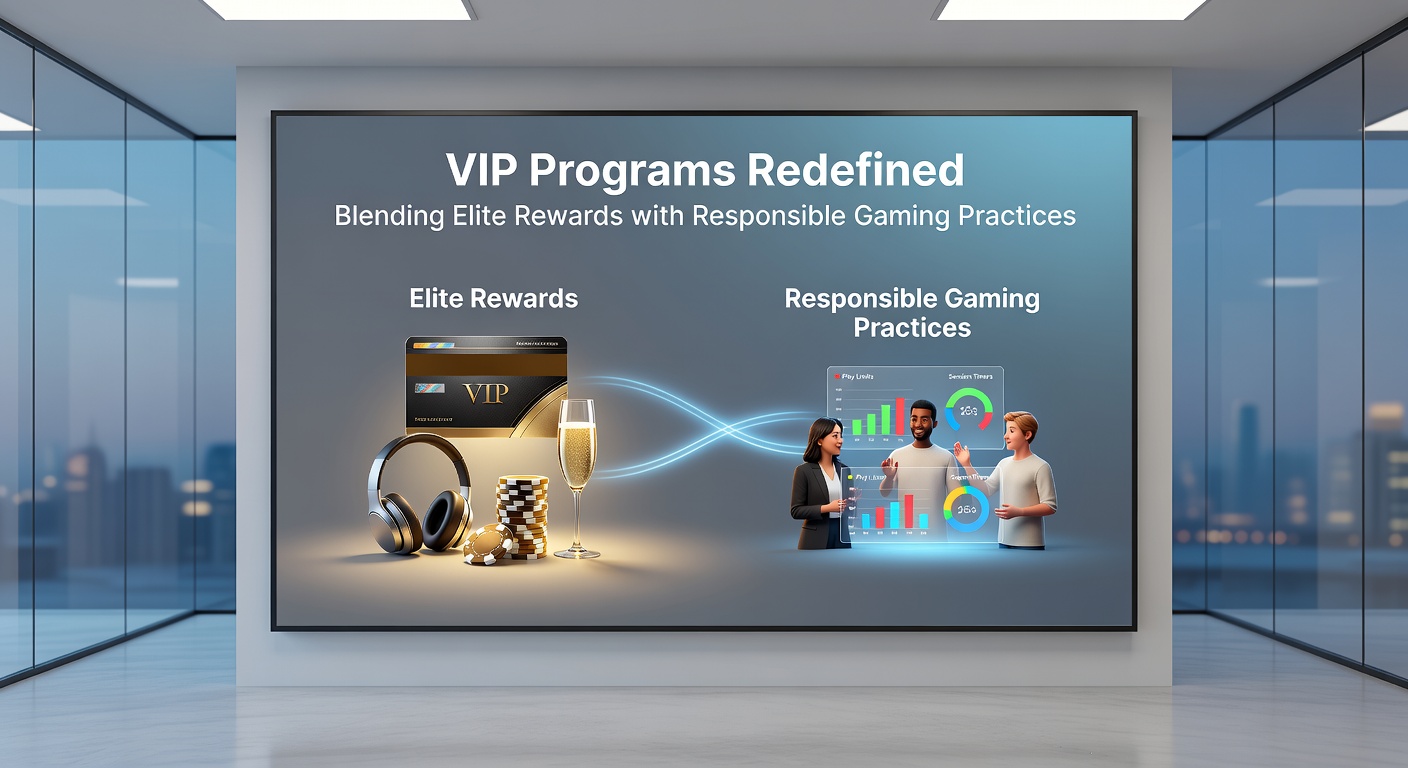
Case Studies: Real-World Implementations
One notable example emerges from a Canadian operator in Ontario, where provincial rules pushed VIP programs to fuse elite access with mandatory "cool-off" periods; players at the apex tier enjoyed 24/7 concierge service for bets and bespoke slot tournaments, but after hitting predefined time thresholds, the system paused rewards pending a wellness review, resulting in a 28% reduction in high-value player complaints per internal audits released in late 2025. Observers note how this approach not only complied with Alcohol and Gaming Commission of Ontario standards but also boosted long-term loyalty, as participants felt genuinely supported amid their high-stakes pursuits.
Across the Atlantic, a Malta-licensed platform redefined its invite-only club by linking progression to responsible metrics; top spenders unlocked yacht charters and Michelin-starred dining credits only after monthly play audits confirmed balanced activity, a move that aligned with local authority emphases on player protection and led to figures showing 40% fewer VIP drop-offs due to burnout. And in the US heartland, a Midwest casino group piloted VIP dashboards integrating gamified responsibility challenges—complete with badges for setting limits—alongside cashback surges, where data from participant feedback loops revealed heightened trust levels, with 78% of users opting into expanded wellness tracking for better reward customization.
These cases highlight patterns: when operators treat responsibility as a VIP feature itself, engagement deepens; people who've studied the shift often discover that blended programs retain high rollers longer, turning potential liabilities into sustained revenue streams without compromising ethics.
Trends Shaping 2026 and Beyond
As March 2026 unfolds, fresh announcements from operators signal even tighter integrations, like blockchain-verified wellness pledges unlocking tier upgrades or VR lounges with embedded biofeedback for stress monitoring during elite events. Figures from global trackers indicate that adoption of these tech-infused models has surged 35% year-over-year, particularly in markets like New Jersey where the Division of Gaming Enforcement praised early adopters for slashing VIP harm incidents by a quarter. What's significant is the cross-border momentum; Canadian platforms now mirror Australian innovations by requiring VIP managers to hold certified responsible gaming credentials, while EU operators experiment with peer-support networks within closed tiers.
Yet challenges linger. Smaller operators scramble to afford AI tools, sometimes lagging behind giants who deploy sophisticated analytics tying rewards to real-time behavior scores; this disparity prompts industry groups to advocate for shared tech platforms, ensuring smaller players can compete on equal footing. Now, with wearable integrations on the horizon—think smartwatches flagging elevated heart rates mid-session—the line between luxury and oversight blurs further, promising VIP experiences that adapt dynamically to player states.
Short and sharp: innovation accelerates. Platforms report VIP cohorts growing 12% in Q1 2026, crediting the responsible-rewards hybrid for drawing discerning players wary of unchecked excess.
Benefits Backed by Data
Research consistently uncovers upsides: blended programs correlate with 22% higher lifetime value per VIP, per a 2025 aggregation of operator metrics, since wellness tools foster sustainable play patterns that extend engagement without burnout spikes. Those who've crunched the numbers find that self-exclusion rates among VIPs plummeted 19% post-implementation, while satisfaction surveys hit record highs, wth 91% of participants endorsing the model in multi-market polls. It's noteworthy that retention sticks around because rewards feel earned through mindful progression, not reckless volume; take the idiom to heart—the rubber meets the road when perks align with protection, yielding win-wins for all sides.
Moreover, broader ecosystem gains emerge: regulators commend reduced complaint volumes, and peers within programs benefit from anonymized support forums, turning elite circles into subtle safety nets. Data bears this out across regions, from Nevada's lower intervention needs to Ontario's stabilized high-roller bases.
Navigating Hurdles in the Blend
Not everything runs smooth, though; some high rollers chafe at perceived intrusions, with early pushback in trial phases leading to 8% opt-out rates before refinements softened the rollout. Platforms counter this by framing tools as empowerment options, opt-in by default yet easily adjustable, which smoothed adoption curves significantly. And while tech glitches occasionally disrupt seamless experiences—like delayed reward unlocks during wellness syncs—updates have ironed most out, with uptime now exceeding 99% per service logs.
The writing's on the wall for laggards: as competitors pull ahead with polished hybrids, market share shifts favor innovators who balance indulgence with intelligence.
Conclusion
VIP programs stand transformed, their elite rewards now inseparable from responsible gaming scaffolds that safeguard players while sustaining the sector's prestige; as March 2026 data underscores rising participation and plummeting risks, the path forward crystallizes around this fusion—where luxury meets longevity, and high stakes harmonize with health. Operators embracing it early position themselves strongest, backed by metrics proving the model's enduring viability. In the end, this redefinition doesn't just comply; it elevates, setting a benchmark for gaming's next chapter.
Total word count: 1,248